

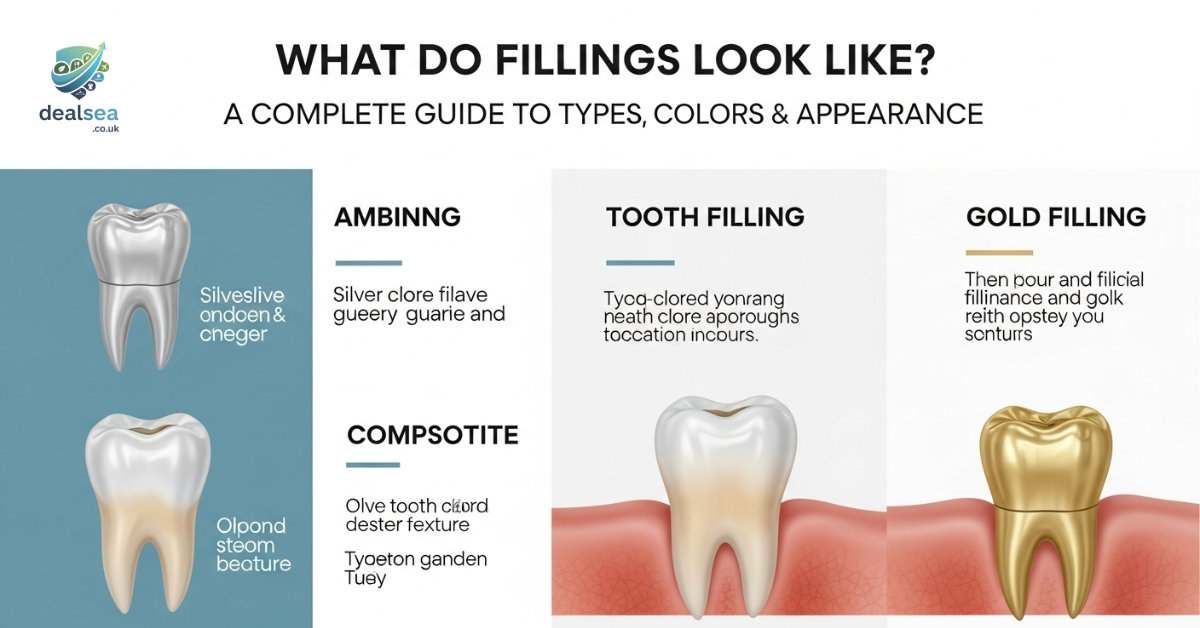
Ever sat in the dentist’s chair and wondered, What do fillings look like once they’re in my teeth? You’re not alone; many people feel nervous about how obvious a filling might be or whether it will affect their smile. The idea of having a visible silver spot or something that doesn’t match your natural teeth can make anyone a little self-conscious.
That’s why this post will break it all down in simple terms. We’ll go over what different types of fillings look like, how they blend with your teeth, and what you can expect after getting one. By the end, you’ll know exactly what to expect so you can walk into your appointment with confidence.
What are dental fillings?
Dental fillings are materials dentists use to restore a tooth after removing decay or repairing minor damage. Once the cavity is cleaned, the dentist fills the hole with a protective material that restores chewing function and prevents bacteria from causing further decay. Fillings can be tooth-colored, metallic, or even glass-like, depending on what’s chosen.
They’re one of the most common dental procedures worldwide and help preserve natural tooth structure. Without them, small cavities would worsen, leading to infections, root canal therapy, or even tooth extraction.
Read More Article: Car Buying Checklist
Types of dental fillings
There are several materials used for fillings, each with its own appearance and characteristics.
- Amalgam fillings: Silver-colored, metallic, and noticeable but extremely durable.
- Composite resin fillings: Tooth-colored, blend naturally with enamel, and are common for visible teeth.
- Gold fillings: Long-lasting with a shiny metallic look, less common today but still valued for durability.
- Ceramic/porcelain fillings: Match tooth enamel with stain resistance and a glass-like finish.
- Glass ionomer fillings: Tooth-colored but less durable; often used for children or non-chewing areas.
Direct fillings
Direct fillings are placed into the cavity in a single visit. Materials such as composite resin or amalgam are applied, shaped, and hardened directly in the dental chair. These are fast, effective, and commonly used for small to medium cavities.
Indirect fillings
Indirect fillings, such as inlays and onlays, are custom-made in a dental laboratory. They require at least two visits and are crafted from stronger materials, such as porcelain or gold. They look natural and are ideal for larger restorations.
Treatment Details
What happens during a dental filling procedure?
The procedure usually begins with local anesthesia to numb the area. The dentist removes the decayed portion using a drill, air abrasion, or laser. Once cleaned, the cavity is dried, and the chosen material is inserted. A dental curing light may be used to harden resin fillings.
Finally, the dentist shapes and polishes the filling to match your tooth’s contours. The result restores both function and appearance.
Risks / Benefits
What are the benefits of dental fillings?
Fillings prevent further decay, restore chewing strength, and help preserve natural teeth. A tooth-colored filling can improve smile appearance by blending seamlessly with the enamel. They’re cost-effective, quick, and usually completed in one visit.
What are the possible complications of dental fillings?
Some patients experience tooth sensitivity, rough edges, or discomfort after the procedure. Fillings can crack, wear down, or fall out over time due to chewing pressure or grinding habits. Very rarely, allergic reactions occur with certain metals. Regular dental check-ups help catch issues early.
Are amalgam fillings safe?
Amalgam fillings contain mercury combined with other metals like silver, tin, and copper. While they last long and resist chewing forces, mercury use has raised concerns. Major organizations like the FDA and ADA state that amalgam fillings are safe for most people, though alternatives may be recommended for children, pregnant women, or those with allergies.
Recovery and Outlook
How long is the recovery period after a dental filling procedure?
Recovery is quick; most people return to normal activities the same day. Numbness from anesthesia usually wears off in a few hours. Mild sensitivity to hot, cold, or pressure is common for a few days but improves as the tooth adjusts.
Can I eat after a filling?
Yes, but timing depends on the material. Amalgam fillings take up to 24 hours to harden, so it’s best to avoid chewing on that side. Composite resin fillings harden instantly under a curing light, so you can eat sooner, just avoid hard, sticky, or extremely hot foods right away.
When To Call the Doctor
When should I call my dentist?
Contact your dentist if you notice severe pain, swelling, or if a filling feels uneven, rough, or falls out. Also, call if you see a visible gap, sharp edges, or sensitivity that doesn’t improve within a couple of weeks. These could indicate complications or the need for adjustment.
Appearance of Dental Fillings
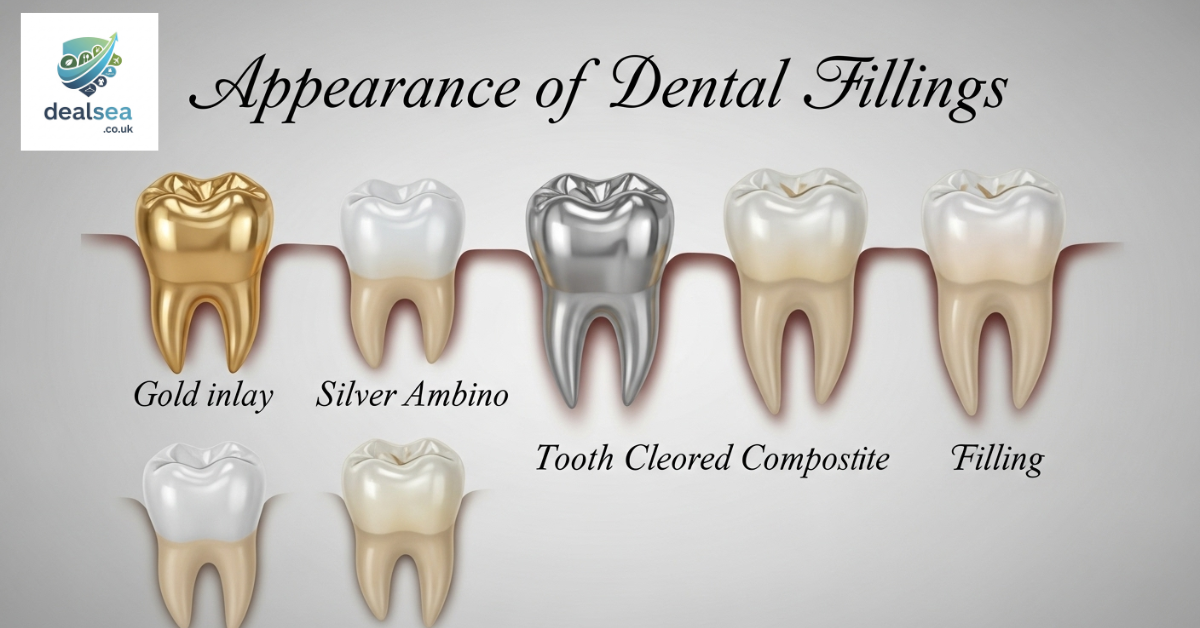
Appearance and Color:
- Composite fillings look tooth-colored, often indistinguishable from enamel.
- Amalgam fillings appear silver or dark gray with a metallic shine.
- Gold fillings are shiny, noticeable, and durable.
- Ceramic fillings match enamel with a natural, translucent look.
Texture:
Fillings should feel smooth and polished, blending with natural tooth contours. If you feel jagged edges or roughness with your tongue, it may need adjustment.
Size and Shape:
The size depends on cavity depth. Small fillings are barely noticeable, while larger ones may cover bigger tooth surfaces. Dentists aim to restore the natural tooth shape for normal chewing.
What a Tooth Filling Looks Like When It Comes Out?
A missing filling leaves behind a visible hole, dark spot, or jagged area in the tooth. You may feel sharp edges or notice increased sensitivity to hot, cold, or sweet foods. If this happens, call your dentist promptly to avoid infection or further damage.
Wrapping Up
So, what do fillings look like? The answer depends on the material used, the tooth’s location, and your dentist’s technique. From tooth-colored composites that blend seamlessly to shiny gold or silver fillings, each type serves the same purpose: restoring your smile and protecting your health.
If you’re worried about appearance, talk to your dentist about cosmetic options like composite or porcelain. The best part? With modern dentistry, you don’t have to sacrifice your smile to protect your teeth.
Key Takeaways
- Fillings restore decayed or damaged teeth.
- Composite and porcelain fillings are tooth-colored, while amalgam and gold are metallic.
- They feel smooth, natural, and restore chewing function.
- Recovery is quick, though mild sensitivity is normal.
- See your dentist if a filling feels rough, painful, or falls out.
A filling isn’t just about fixing a cavity; it’s about protecting your smile for the long run.
FAQS
What does a normal filling look like?
A normal filling usually matches your natural tooth color if it’s composite, or looks silver/gold if it’s metal-based.
Is $200 for 4 teeth fillings expensive?
No, $200 for four fillings is actually quite affordable compared to average dental costs.
Is it painful to do a tooth filling?
The procedure isn’t painful because the dentist uses local anesthesia, but you may feel mild pressure or sensitivity afterward.
What is the 2 2 2 rule for teeth?
The 2-2-2 rule means brush your teeth 2 times a day, for 2 minutes each, and visit your dentist 2 times a year.