

It’s tough enough dealing with a divorce or custody case, but add a guardian ad litem into the mix, and the stress can skyrocket. Many parents worry about saying the wrong thing, second-guess every word, and wonder what not to say to a guardian ad litem because they know it could impact their case. If you’ve ever felt nervous before a meeting or replayed conversations in your head afterward, you’re definitely not alone.
In this blog, we’ll break it all down clearly. You’ll learn exactly what not to say to a guardian ad litem, why it matters, and how to handle the interaction in a way that keeps the focus on your child’s best interests. By the end, you’ll feel prepared, confident, and ready to present yourself in the best possible light.
The Role of a Guardian Ad Litem in Advocating for My Child
Guardians ad litem gather information from multiple sources: parent interviews, home visits, teacher statements, medical records, and even the child’s own perspective when age-appropriate. They are trained to spot manipulation, detect inconsistencies, and focus on the child’s long-term stability.
While they don’t make the final custody decisions, their reports and testimony often weigh heavily with the judge. This is why honesty, cooperation, and respectful communication matter so much when dealing with them. A careless comment can undermine your credibility or cast doubt on your parenting abilities.
Read More Article:What Not to Say to a Guardian Ad Litem
How to Approach Interactions With My Child’s Guardian Ad Litem
What to Expect in Your Interactions With a Guardian Ad Litem
- Be respectful and professional in all communications.
- Provide requested information promptly (school records, medical files, daycare contacts, etc.).
- Keep your focus on your child’s needs, not your grievances with the other parent.
- Maintain a clean, safe, and child-friendly home environment for visits.
- Be transparent about your challenges and demonstrate your efforts to improve.
Mistakes to Avoid During Communication With Your Guardian Ad Litem
- Don’t badmouth or criticize the other parent; it often backfires.
- Avoid lying, exaggerating, or withholding key information.
- Don’t coach your child on what to say; GALs are trained to recognize this.
- Avoid becoming defensive, angry, or overly emotional during interviews.
- Don’t bring up irrelevant personal details that distract from your child’s welfare.
Rachel Platt of Platt Family Law Serves as a Skilled Guardian Ad Litem
If you’re in Atlanta, GA, Rachel Platt and her team at Platt Family Law offer experienced representation and guidance in custody disputes. Having a skilled family law attorney alongside you can help ensure your rights are protected while keeping the focus where it belongs, on your child’s best interests.
Should You Hire a Family Law Attorney for Your Child Custody Case in Atlanta, GA? Speak with the team at Platt Family Law.
They provide counsel on navigating custody evaluations, working with GALs, and presenting your parenting strengths clearly in court.
Leave a Comment Cancel Reply
Your insights and experiences may help others going through similar custody challenges.
Browse by Categories

- Child Custody
- Divorce & Separation
- Parenting Time
- Family Law Advice
Recent Posts
- Coping With High-Conflict Custody Cases
- What Judges Consider in Custody Hearings
- Tips for Parenting Plans That Work
- Custody Evaluations: What You Need to Know
Contact Us
For personalized legal support, reach out to our family law team to discuss your case.
Find Our Office
Platt Family Law Firm, Atlanta, GA
Common Questions a Guardian ad Litem Will Ask You and Your Child
GALs often ask about:
- Daily routines (bedtime, meals, school activities)
- Relationships with each parent
- Holiday traditions or special family moments
- Any concerns about safety, home environment, or school performance
BEST Guardian Ad Litem Home Visit Checklist
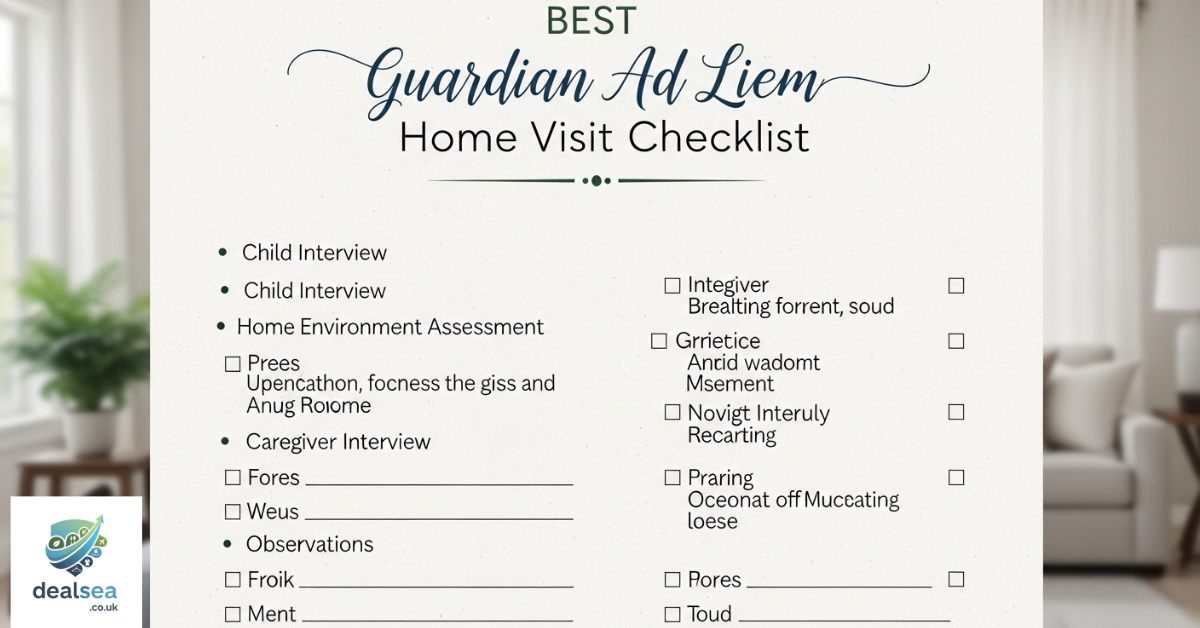
A home visit is one of the most telling moments in a GAL’s evaluation. Make sure your home is safe, clean, and child-focused.
Phrases to Avoid Saying to a Guardian Ad Litem and How to Prepare for the Initial Meeting
The first meeting sets the tone. Never say, I don’t need you, the judge will see my side anyway. This shows disrespect for the GAL’s role. Avoid phrases like:
- My ex is a terrible parent.
- I’ll do whatever it takes to win.
- The kids don’t even like the other parent.
Instead, focus on how you meet your child’s needs and support their stability.
How Not to Communicate With a Guardian ad Litem (GAL)
The golden rule is to avoid making negative, defensive, or manipulative statements. A GAL values cooperation, credibility, and honesty. Speaking poorly about the other parent, blaming, or showing hostility can harm your case more than help it.
Preparation Tips for Parents
- Practice calm communication before meetings.
- Prepare documents and records in advance.
- Ask your attorney for guidance on sensitive topics.
Preparing for Your Initial Meeting
Expect the GAL to ask about your parenting history, work schedule, and your child’s needs. Stay factual, brief, and respectful.
Preparing for the Home Visit
- Childproof where needed (safety gates, medication storage, pet safety).
- Showcase your child’s routine with schoolwork, schedules, or activities.
- Avoid over-preparing or making the visit look staged.
Tips for Child Preparation
Never rehearse lines with your child. Instead, explain in simple terms that someone will visit to understand their life better. Reassure them, but don’t coach them.
How to Handle Critical Missteps in Communication with a Guardian ad Litem
Being Overly Emotional or Aggressive
Keep emotions in check. If you lash out, it may reflect poorly on your parenting stability.
Sharing Irrelevant Information
Stick to issues affecting your child’s well-being, not personal grudges.
Withholding Crucial Details
Hiding issues like financial struggles or past mistakes can backfire if uncovered later.
Demonstrating Respect and Cooperation
Responding Promptly and Appropriately
Return calls and provide the requested information quickly.
Respecting Boundaries and Privacy
Don’t try to overstep by contacting the GAL outside official channels or oversharing personal life details.
Navigating Sensitive Topics with a Guardian ad Litem
Discussing Parental Conflict
Frame it around efforts to cooperate rather than blame.
Addressing Past Mistakes and Challenges
Admit mistakes honestly and show how you’ve improved. Transparency demonstrates growth.
Preparing for Home Visits and Interviews
Creating a Safe and Welcoming Environment
A GAL looks for a home that’s safe, clean, and child-centered.
Engaging in Constructive Conversations
Keep the focus on your child’s needs and demonstrate a willingness to cooperate.
Summary
When interacting with a GAL, your words carry weight. Avoid negativity, dishonesty, or hostility, and instead demonstrate cooperation, honesty, and a child-first mindset. The GAL’s role is to advocate for your child’s best interests, and how you handle interactions can greatly influence custody outcomes.
Consult with Family Law Attorney Zachary Townsend
For families in Illinois and Wisconsin, Attorney Zachary Townsend offers guidance on working with guardians ad litem and navigating custody disputes.
Step by Step: Dos and Don’ts When Working With a Guardian ad Litem
- Do: Keep communication respectful.
- Do: Provide the requested documents.
- Don’t: Criticize the other parent.
- Don’t: Hide important information.
- Do: Focus on your child’s well-being.
Related Articles
- What Is a Guardian Ad Litem?
- What to Do If You Think Your Ex is an Unfit Parent
- Your Guide to Joint Child Custody
Final Word
Your words shape your credibility. Knowing what not to say to a guardian ad litem can help you avoid missteps that hurt your custody case. Keep communication professional, respectful, and child-focused, and always seek guidance from a trusted family law attorney.
FAGS
What is the biggest mistake in a custody battle?
The biggest mistake is putting personal anger above the child’s best interests, which can hurt credibility in court.
How do you act around a Guardian ad litem?
Be honest, respectful, and cooperative, and show that your focus is on your child’s well-being.
What is the hardest question to ask a lawyer?
The hardest question is often, What are my real chances of winning custody? because it requires honesty about risks.
What is the best evidence for the family court?
The best evidence includes school records, medical reports, credible witness statements, and proof of a safe home environment.
1 thought on “What Not to Say to a Guardian Ad Litem: Essential Guide for Parents in Custody Cases”