


Ever stared at a hospital bill and felt completely lost, wondering whose actually responsible for paying it? You’re not alone. Many people become confused when they encounter terms like “guarantor” and are unsure what it means or how it affects them. It can feel stressful trying to figure out your financial responsibility while also dealing with medical care.
In this blog, we’ll break down exactly what is a guarantor medical is and why it matters for you or your loved ones. You’ll get clear explanations, examples of who can be a guarantor, and tips on how it affects medical bills. By the end, you’ll feel confident understanding your role, avoiding surprises, and managing healthcare payments with ease.
Types of Guarantors
In medical billing, not all guarantors are the same. Hospitals and clinics use different categories to define who is responsible for payment. Let’s explore the main types.
Read More Article:What is a Medical Guarantor
Primary Guarantor
A primary guarantor is typically the first person legally responsible for medical bills. This is often the patient themselves if they are an adult, or the parent/guardian for a minor. The primary guarantor is the one who signs the initial guarantor form during patient registration and is responsible for ensuring bills are paid on time.
Secondary Guarantor
A secondary guarantor steps in when the primary guarantor is unable to cover the expenses. For example, if the primary guarantor’s insurance denies a claim or there’s a coverage gap, the secondary guarantor assumes financial responsibility. They are often a spouse, adult child, or another family member.
Guarantor for Medical Treatment
Some guarantors are specifically assigned for certain treatments or procedures. For example, a parent might be the guarantor for a child’s elective surgery. This type of guarantor ensures that the specific medical treatment is covered, whether through insurance or out-of-pocket payments.
Tertiary Guarantor
Tertiary guarantors are less common but can be used in complex billing situations. They act as an additional layer of financial responsibility if both primary and secondary guarantors cannot fulfill their obligations. For example, in multi-patient family coverage or institutional settings, a tertiary guarantor ensures the hospital receives payment.
Financial Guarantor
A financial guarantor focuses solely on the monetary aspect. They may not be related to the patient and typically do not participate in care decisions. Their role is to guarantee payment for medical services, often for patients with limited insurance or in cases of high out-of-pocket expenses.
Non-Financial Guarantor
Interestingly, some guarantors are listed for administrative purposes only. They are not financially responsible but act as a contact for billing questions, insurance communication, or patient verification. This type is sometimes called a proxy or non-financial guarantor.
Why is a Guarantor Important in Medical Billing?
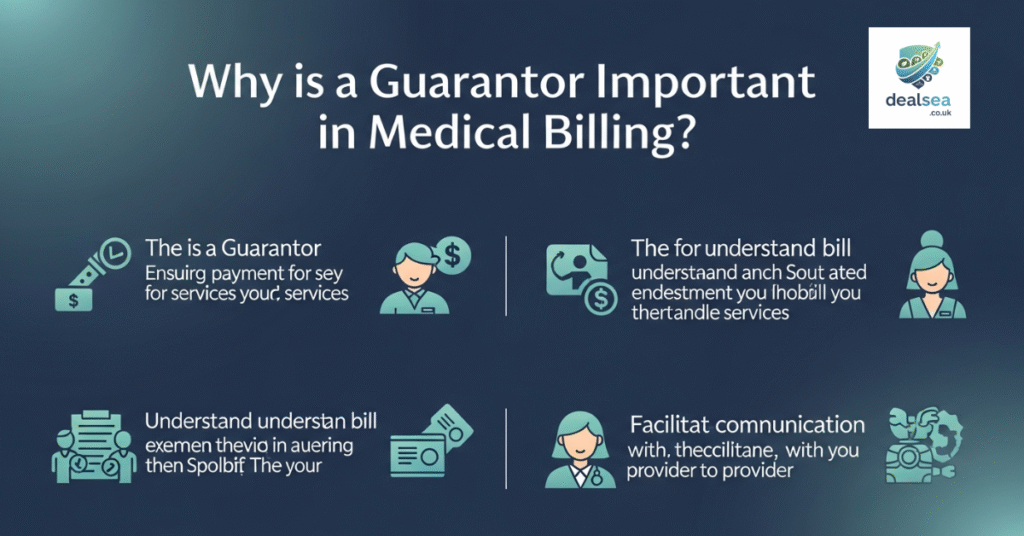
Understanding the role of a guarantor is crucial for both patients and healthcare providers. Here’s why.
Financial Responsibility
The guarantor ensures that the healthcare provider receives payment for services rendered. This responsibility protects the hospital’s cash flow and ensures that medical staff are compensated. If there is no guarantor or they fail to pay, unpaid balances can lead to collections or billing disputes.
Insurance Verification
Guarantors often play a key role in confirming insurance coverage. They provide accurate information, such as policy numbers and billing addresses, which is critical for claim processing. Proper insurance verification prevents claim denials and minimizes out-of-pocket surprises for the patient.
Up-to-Date Billing Address
Keeping the guarantor’s contact information current is essential. Hospitals send bills, payment reminders, and insurance updates to the guarantor. Outdated information can delay payment, cause billing errors, and even affect the patient’s credit if unpaid balances go to collections.
Follow-Up on Unpaid Bills
If a patient misses a payment or insurance denies a claim, the guarantor is the point of contact for resolving these issues. They can coordinate with billing staff, set up payment plans, or communicate with insurance companies to ensure financial obligations are met.
Guarantor vs Insurance Policyholder
Many patients confuse the guarantor with the insurance policyholder. While sometimes they are the same person, they often differ. The policyholder is the individual whose name is on the insurance plan. The guarantor is the party responsible for paying any remaining balance not covered by insurance.
For instance, a child’s parent might be the policyholder, while a secondary guardian or adult family member could serve as the guarantor. Understanding this distinction is critical to prevent payment confusion and ensure timely claim processing.
What Happens if the Guarantor Doesn’t Pay?
When a guarantor fails to fulfill their payment responsibilities, healthcare providers take several steps. Initially, the billing staff sends reminders or contacts the guarantor directly. If payment still isn’t made, the account may be escalated to collections, which can impact the guarantor’s credit score.
Hospitals may also adjust the patient account, offering payment plans or financial assistance programs. In extreme cases, legal action may be taken, particularly if there is a signed guarantor agreement or legal obligation to pay. This highlights the importance of selecting a reliable guarantor from the beginning.
Read More Article:What Rights Do Felons Lose in Pennsylvania? Legal Breakdown
How Can a Guarantor Pay Medical Bills?
Guarantors have multiple options to pay medical bills, depending on the healthcare provider’s policies. Common methods include:
- Direct Payment: Sending checks or paying online through the hospital’s portal.
- Insurance Claims: Coordinating with insurance to cover part of the cost, while paying any remaining balance.
- Payment Plans: Setting up monthly installments if the bill is large.
- Financial Assistance Programs: Some hospitals provide discounts or aid programs, which the guarantor can apply for on the patient’s behalf.
Efficient payment management ensures smooth revenue flow for healthcare providers and reduces the stress for patients.
Read More Article: What Is the Driest White Wine? Discover the Crispest and Most Refreshing Varieties
Can a Guarantor Be Reimbursed?
Sometimes, guarantors front the payment for medical services and seek reimbursement from insurance or the patient. Reimbursement depends on the insurance policy and any pre-existing agreements. The guarantor should keep detailed records of payments, receipts, and insurance claims to ensure they are properly reimbursed.
Tips for Patients and Guarantors
- Select the Right Guarantor: Choose someone reliable who understands their financial obligations.
- Update Contact Information: Keep billing and insurance details current to avoid delays.
- Understand Responsibilities: Both patient and guarantor should know who pays what portion of the bill.
- Communicate Regularly: Stay in touch with billing staff to clarify charges and confirm payments.
- Use Patient Portals: Many hospitals offer online portals to track balances, payments, and insurance claims.
Final Thoughts
Understanding what a guarantor medical is essential for navigating healthcare costs confidently. The guarantor plays a vital role in ensuring bills are paid, insurance claims are processed, and patients receive the care they need without financial confusion. By knowing the types of guarantors, their responsibilities, and payment options, patients and providers can avoid unnecessary stress and keep the billing process smooth.
Selecting the right guarantor, keeping information up-to-date, and maintaining clear communication can save a lot of headaches. Whether you are a patient, parent, or caregiver, being informed about the guarantor’s role empowers you to handle medical bills responsibly and efficiently.
FAQS
What does it mean for the patient to be the guarantor?
It means the patient themselves is responsible for paying their medical bills if insurance does not cover the full cost.
What is the role of a guarantor?
A guarantor ensures that medical bills are paid and provides financial responsibility for the patient’s care.
What is a guarantee in medical terms?
In medical terms, a guarantee is a promise by a person or entity to cover the patient’s healthcare expenses.
What do you mean by a guarantor?
A guarantor is someone legally responsible for paying medical bills when the patient cannot or does not pay.
1 thought on “What is a Medical Guarantor? A Simple Guide”