

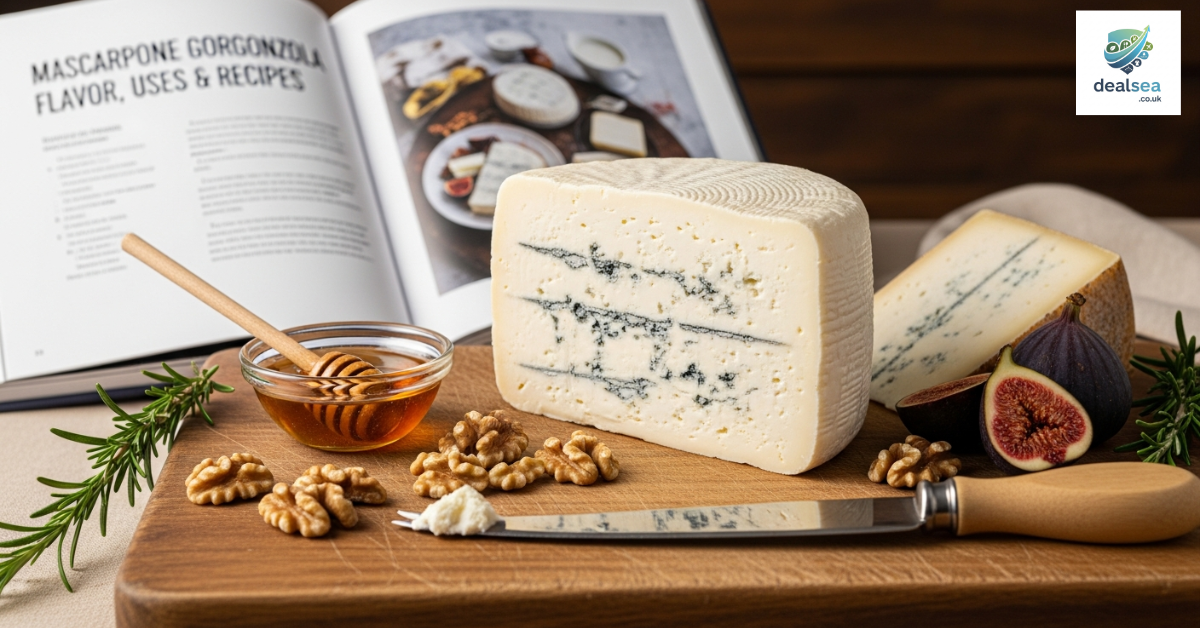
If you’ve ever wandered through the cheese aisle and wondered whether all blue cheeses are the same, you’re in for a surprise. Masgonzola isn’t just another blue cheese; it’s a creamy, tangy, and versatile Italian specialty that elevates simple dishes into gourmet experiences. Unlike the stronger, more pungent Gorgonzola or the delicate sweetness of mascarpone, Masgonzola strikes a perfect balance between bold flavor and approachable creaminess. Whether spread on a crusty slice of artisan bread, melted into a pasta sauce, or paired with fresh fruit and a glass of wine, this cheese has a charm all its own.
You might be surprised to learn that Masgonzola’s origins trace back to the rolling hills of Lombardy in Northern Italy, where traditional artisan cheesemakers have perfected the blend of cow’s milk and Penicillium mold for generations. Its smooth texture, marbled appearance, and subtle tang make it a favorite for cheese boards, culinary experimentation, and everyday cooking. Let’s dive into what makes Masgonzola unique, how it compares to its cheese relatives, and the best ways to enjoy it in your kitchen.
What is Masgonzola?
One-line definition
Masgonzola is a traditional Italian blue-veined cheese with a creamy texture and tangy, nutty flavor.
Key facts at a glance
- Origin: Lombardy, Italy
- Texture: Creamy, spreadable, marbled
- Taste: Mildly tangy, slightly nutty, balanced blue cheese flavor
- Variants: Dolce (mild) and Piccante (strong)
- Aging: Controlled maturation for optimal flavor
- Pairings: Fruit (figs, pears, grapes), wine, pasta, pizza
This quick snapshot captures Masgonzola’s essence. It’s approachable enough for first-time blue cheese tasters, yet complex enough to impress seasoned food enthusiasts.
Read More Article:What to Wear Wine Tasting: Smart Outfit Ideas for Wine Country & Cellar Tours
Origins & history of Masgonzola
Where the name comes from
The name Masgonzola originates from the famed town of Gorgonzola in Lombardy, Northern Italy, a region renowned for its rich dairy culture. While Gorgonzola is often more widely recognized, Masgonzola emerged as a creamier, milder alternative, carefully crafted by artisan cheesemakers using both tradition and a touch of modern refinement. Historically, small villages in Lombardy and Piedmont developed their own variations, creating cheeses with unique marbling and creamy textures that reflected local dairy practices and climate conditions.
Traditional production vs modern variations
Traditionally, Masgonzola was aged in naturally ventilated caves, allowing the Penicillium mold to develop evenly throughout the cheese. Today, modern methods combine artisanal techniques with controlled aging environments, ensuring consistency while retaining authentic flavor. The Dolce variant offers a softer, sweeter experience, ideal for spreads and salads, whereas Piccante provides a stronger, more tangy punch, perfect for melting into pasta sauces or pairing with bold wines.
The artisanal production methods focus on balancing creaminess and blue veining, giving Masgonzola its characteristic texture smooth yet slightly crumbly at the edges. This careful approach makes it suitable for a wide range of culinary applications without overpowering other ingredients.
Read More Article:Methstream: 2025 Guide Risks & Legal Alternatives
Flavor, texture & how Mascarpone compares to Gorgonzola and Mascarpone
Taste notes: creaminess, tang, and aging effects
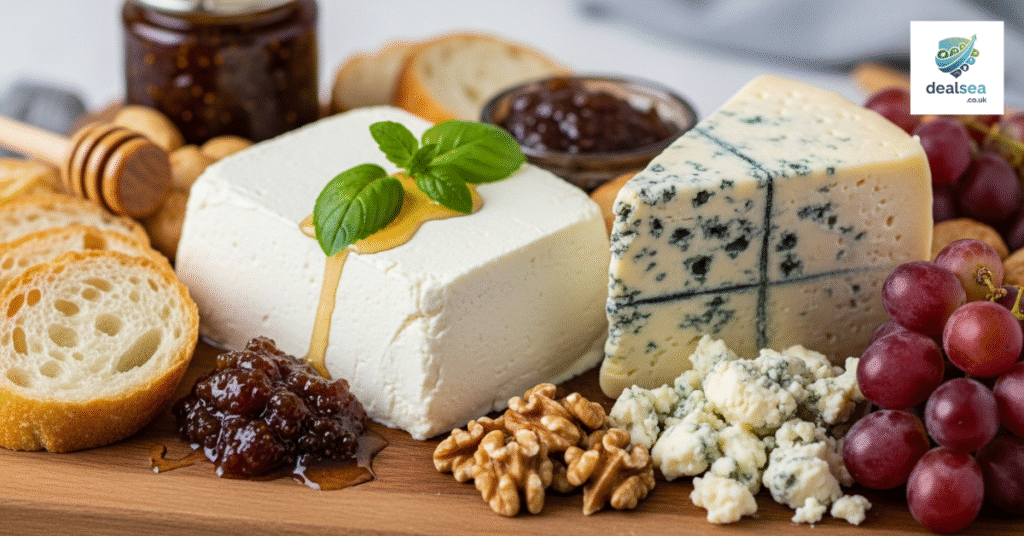
Masgonzola has a creamy texture with a rich, tangy profile, bridging the gap between the intense sharpness of traditional Gorgonzola and the mellow sweetness of mascarpone. Dolce Masgonzola offers a delicate, buttery flavor with subtle hints of saltiness, while Piccante delivers a bolder, slightly spicy tang that enhances both savory and sweet dishes. Its nutty undertones and marbled appearance create an elegant flavor profile, making it perfect for gourmet plates or everyday meals.
Aging plays a crucial role in shaping its flavor. Shorter maturation results in a softer, more approachable cheese, while longer aging enhances tanginess and depth. Unlike Gorgonzola, which can dominate a dish, Masgonzola balances intensity and smoothness, providing a versatile ingredient that melts beautifully in sauces or can be served cold as part of a cheese board.
Texture: spreadable, melting behavior, and uses
Masgonzola’s texture is one of its most appealing traits. It spreads easily, crumbles neatly over salads, and melts smoothly into pasta, risotto, or pizza. Compared to mascarpone, which is purely creamy and soft, Masgonzola combines creaminess with slight structure from its blue veining, creating a texture that is both indulgent and versatile.
In cooking, this means Masgonzola can serve as a base for creamy sauces, a pizza topping, or even a filling for savory pastries. Its melting behavior is forgiving it integrates evenly without separating, maintaining its rich flavor throughout the dish.
Read More Article:What Does 925 on Jewelry Mean? Full Guaid
How to use Masgonzola in cooking
Quick & easy recipe ideas
Masgonzola is exceptionally adaptable in the kitchen:
- Pasta: A walnut Masgonzola sauce over fettuccine is simple yet decadent.
- Pizza: Add dollops before baking for a creamy, tangy flavor contrast.
- Sauces: Blend with cream or butter to create a luxurious topping for gnocchi or risotto.
Its ability to marry with other ingredients, such as roasted vegetables or caramelized onions, makes it a secret weapon for elevating everyday meals.
Savoury pairings: wine, fruit, and charcuterie tips
Pair Masgonzola with sweet fruits like figs, pears, and grapes to balance its tanginess. For wines, try Port, Sauternes, Chianti, or a smooth Chardonnay, which complement the cheese’s flavor without overpowering it. On a charcuterie board, it harmonizes beautifully with prosciutto, salami, or crusty artisan bread, making it a favorite for entertaining or gourmet snacking.
For adventurous food enthusiasts, experimenting with honey drizzle, walnuts, or dates alongside Masgonzola adds layers of complexity, creating sweet-savory harmony that keeps guests coming back for more.
Recipes: 5 best Masgonzola dishes to try
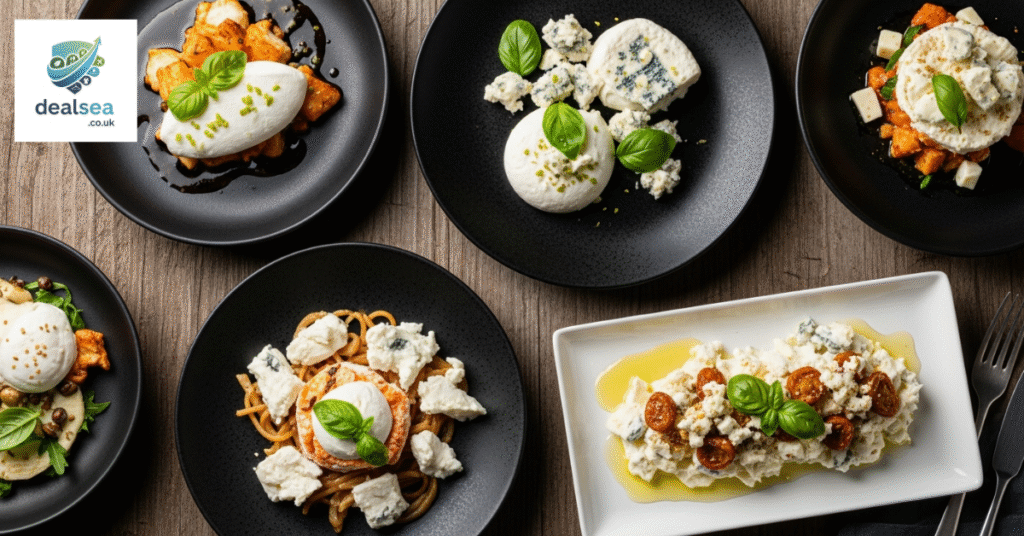
Masgonzola pasta with walnuts
Ingredients: Fettuccine, Masgonzola cheese, cream, chopped walnuts, fresh parsley
Method: Melt Masgonzola with cream, toss cooked pasta, sprinkle walnuts, and garnish with parsley. Serve immediately.
Masgonzola spread for crostini
Ingredients: Baguette slices, Masgonzola, honey, fresh figs
Method: Toast baguette, spread Masgonzola, drizzle honey, top with sliced figs. Perfect as an appetizer.
Other ideas:
- Masgonzola risotto with mushrooms
- Pizza with Masgonzola, caramelized onions, and arugula
- Stuffed savory tarts with Masgonzola and spinach
Each dish highlights Masgonzola’s creamy tang and versatility, whether melted or served cold.
Read More Article:What Rights Do Felons Lose in Pennsylvania? Legal Breakdown
Buying, storing & serving Masgonzola
How to choose quality Masgonzola at the store
Look for a creamy marbled appearance, slightly tangy aroma, and firmness without being too crumbly. Artisan-made Masgonzola often offers superior flavor compared to mass-produced options, and small local cheese shops or online gourmet retailers are excellent sources.
Storage tips to keep texture & flavor
Wrap Masgonzola in wax or parchment paper, then place it in an airtight container. Store in the refrigerator and remove 20–30 minutes before serving to reach optimal creaminess. Avoid plastic wrap directly on the cheese, as it can trap moisture and alter the flavor. Proper storage preserves both texture and aroma, ensuring every bite is as delightful as intended by the cheesemaker.
Nutrition & dietary notes
Basic nutrition facts
Masgonzola is rich in calcium, protein, vitamin B12, and healthy fats, making it both flavorful and nutritionally beneficial. Its probiotic content supports digestive health, while moderate portions contribute to bone strength and overall wellness.
Allergies & dietary considerations
Masgonzola contains cow’s milk and Penicillium mold, so it may not suit those with dairy or mold sensitivities. Always check ingredient labels for added preservatives or non-traditional ingredients, especially in commercially produced versions.
Read More Article:What Is the Driest White Wine? Discover the Crispest and Most Refreshing Varieties
Masgonzola in culture & creative uses
Branding and lifestyle uses
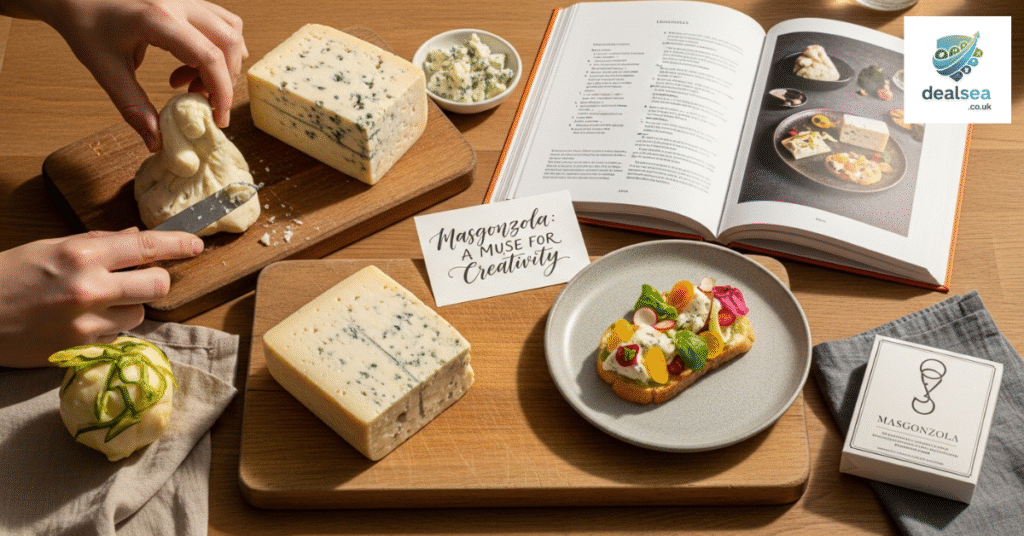
Beyond the kitchen, Masgonzola appears in gourmet food trends, artisan cheese boards, and social media culinary posts. Its creamy, marbled aesthetic makes it a visually appealing addition to charcuterie spreads or food photography.
How chefs are using it today
Modern chefs incorporate Masgonzola in fusion cuisine, pairing it with unexpected ingredients like roasted pumpkin, grilled figs, or even chocolate for sophisticated flavor profiles. From baked tarts to creamy sauces, it’s a chef’s secret ingredient for elevating everyday dishes into something memorable.
Conclusion & where to buy
Masgonzola isn’t just cheese; it’s a culinary experience. Its balance of tangy blue veins, creamy texture, and versatility makes it ideal for home cooks, food enthusiasts, and gourmet chefs alike. Whether you’re creating a cozy weeknight pasta or assembling an impressive cheese board for guests, Masgonzola enhances dishes with minimal effort.
Where to buy:
- Local artisan cheese shops
- Online gourmet retailers and subscription boxes
- Specialty supermarkets with Italian cheese sections
Here’s the takeaway: Incorporate Masgonzola into your cooking routine, and you’ll discover a cheese that transforms meals, delights your palate, and introduces a touch of Italian artisan tradition to your kitchen.
FAQS
What is Masgonzola and how does it differ from Gorgonzola?
Masgonzola is a creamy Italian cheese with a mild blue cheese flavor, offering a smooth texture that’s slightly sweeter and less tangy than traditional Gorgonzola, making it perfect for cheese boards and gourmet dishes.
How do I use Masgonzola in pasta, pizza, or sauces?
Masgonzola melts effortlessly into creamy pasta sauces, enhances pizza toppings, and blends beautifully into dips or savory tarts, adding a rich and tangy profile to everyday cooking.
What are the best wine and fruit pairings for Masgonzola?
Pair Masgonzola with sweet fruits like figs, pears, or grapes, and complement it with wines such as Riesling, Moscato, or Chardonnay to highlight its creamy and mellow blue cheese notes.
How should I store Masgonzola to keep it fresh and creamy?
Store Masgonzola in an airtight container or wrapped in wax paper in the fridge, serving it at room temperature for optimal texture and flavor, preserving its artisanal quality.
Can Masgonzola be used as a substitute for other blue or creamy cheeses?
Yes, Masgonzola works as a versatile blue cheese alternative or creamy cheese blend, perfect for recipes calling for Gorgonzola, mascarpone, or other mild blue cheeses.