

Why Finding the Best Energy Deals in the UK Matters More Than Ever in July 2026
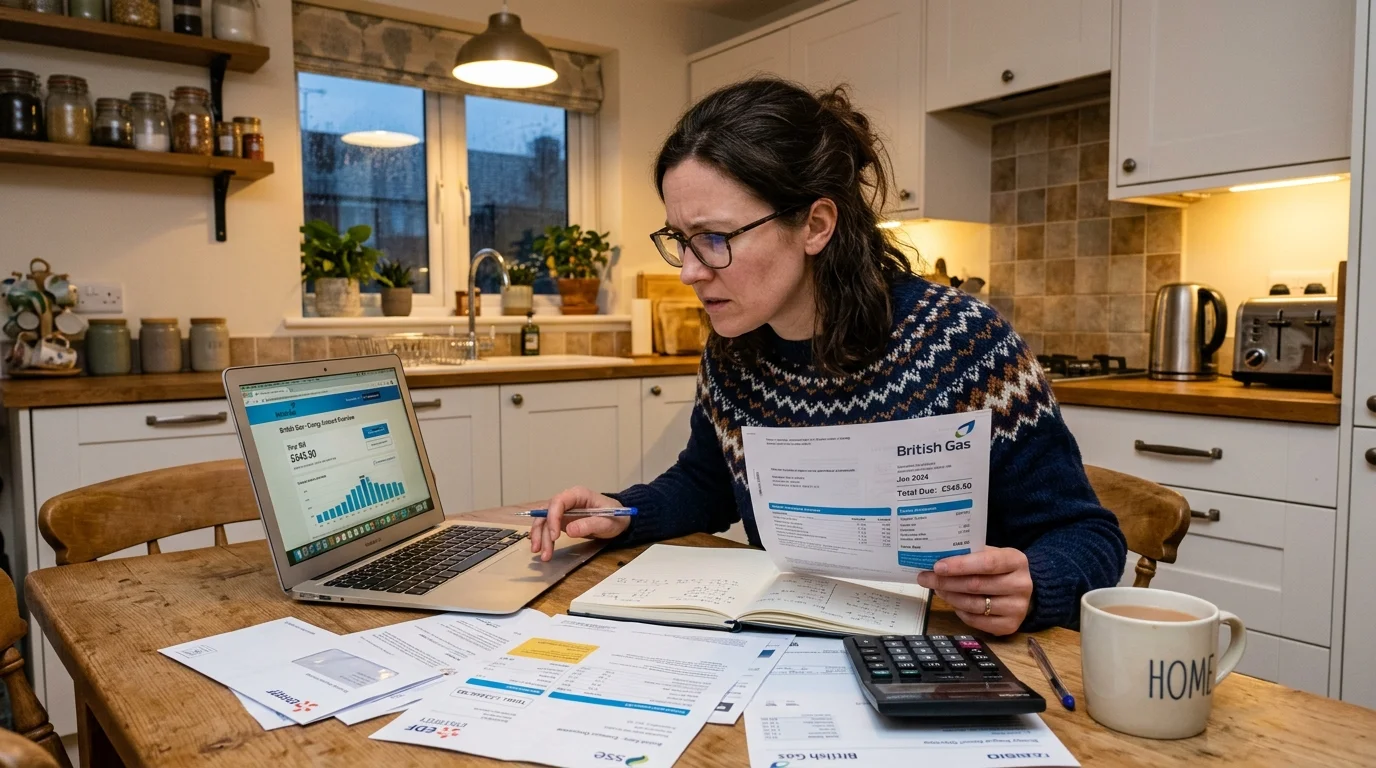
If you have opened your energy bill recently and felt a sharp shock, you are not imagining it.
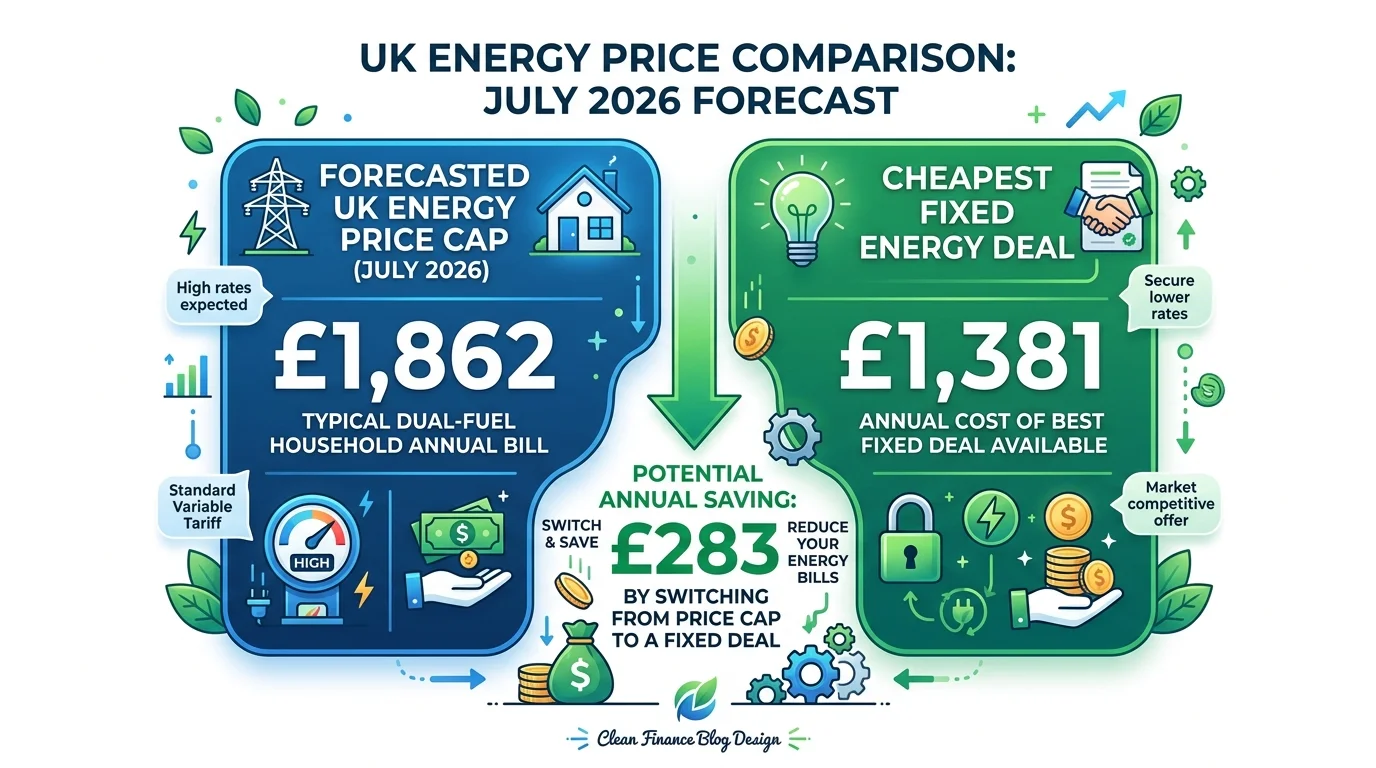
On 1 July 2026, the Ofgem energy price cap rose by 13%, taking the average annual bill for a typical UK dual-fuel household on a standard variable tariff to £1,862 per year — up from £1,641 just three months ago. That is an increase of £221 per year, or approximately £18 extra every single month.
The cause? Wholesale energy price volatility driven by the ongoing conflict in the Middle East has pushed costs higher across Europe, and UK households are feeling the impact directly.
But here is the good news. These figures make clear why searching for the best energy deals UK July 2026 is essential right now.The average annual cost of the cheapest tariff available on comparison sites versus the July 2026 price cap is £1,381 versus £1,664 — a saving of £283 for dual fuel customers.</cite> In other words, if you are still sitting on your supplier’s standard variable rate, you could be paying significantly more than you need to.
In this complete guide to the best energy deals UK July 2026, we cover exactly what has changed, which deals are worth considering right now, and seven practical ways to reduce your energy bills, whether you switch supplier or not.
⚠️ Disclaimer: Energy tariff prices change frequently. Always compare current deals via Ofgem-approved comparison sites before switching. This article is for informational guidance only.
What Is the Energy Price Cap — And How Does It Affect You?
Before diving into the best deals, it helps to understand With: “Before diving into the best energy deals, it helps to understand.
Who: The energy price cap only protects customers on standard variable tariffs. If you are on a fixed deal, your prices are already locked in, and the July rise does not affect you — yet.
What: The Ofgem energy price cap sets the maximum that suppliers in England, Scotland, and Wales can charge per unit of gas and electricity, and the maximum daily standing charge, for customers on a standard variable tariff.
When: From 1 July to 30 September, for more ways to save this summer, read our guide on back-to-school deals UK 2026. The energy price cap has risen to £1,862 for a typical household using electricity and gas and paying by Direct Debit.
Where: The cap applies to England, Scotland, and Wales. Northern Ireland has a separate energy market with different arrangements.
Why: Ofgem’s cap on energy prices rose on 1 July 2026, owing to price volatility as a result of the Middle East crisis.
How: The cap is based on 26.11p/kWh electricity (57.19p/day standing charge) and 7.33p/kWh gas (29.04p/day).
July 2026 Energy Price Cap — The Key Numbers
| Detail | Figure |
|---|---|
| Price Cap (July–September 2026) | £1,862/year |
| Previous Cap (April–June 2026) | £1,641/year |
| Increase | £221/year (+13%) |
| Monthly Increase | ~£18/month |
| Households Affected | ~33 million (on SVTs) |
| Households on Fixed Deals | ~21 million (unaffected) |
| Cheapest Fixed Deal Available | From £1,381/year |
| Max Saving vs Price Cap | Up to £283–£300/year |
7 Ways to Get the Best Energy Deals in the UK in July 2026
Way 1 — Compare and Switch to a Fixed Deal Below the Price Cap
Finding the best energy deals UK July 2026 starts with comparing the whole market and switching to a fixed tariff priced below the price cap of £1,862. is to compare the whole energy market and switch to a fixed tariff priced below the July 2026 price cap of £1,862.
Fixed deals lock your unit rates and standing charge for a set period, usually 12 to 24 months, regardless of what happens to the price cap in the future.
The cheapest fixed deals available right now include options from around £1,381 to £1,632 per year for a typical dual-fuel household, all significantly below the current price cap.
How to do it: Use Ofgem-approved comparison sites such as Uswitch, MoneySuperMarket, or Go. Compare. Enter your postcode and annual usage figures from your most recent bill for the most accurate results.
Time to switch: Switching is free and takes about 5 minutes to start. Your new supplier handles the switch in around 5 working days under the Energy Switch Guarantee. Your supply is never interrupted — only the billing changes.</cite>
Way 2 — Consider a Tracker Tariff as an Alternative to Fixing
If you are not ready to commit to a fixed deal, tracker tariffs offer a middle ground…”
With: “If you are not ready to commit to one of the best energy deals as a fixed tariff, tracker options offer a middle ground worth considering.
Several energy suppliers offer tracker tariffs that track the price cap, changing price every three months when the price cap is reset. Typically, they guarantee a set discount on the price cap.
Current tracker options include British Gas Cap Tracker, EDF Energy Simply Tracker, and E.ON Next Pledge, all of which sit £50 below the dual-fuel price cap with a £50 exit fee. This means you are always paying below the cap, but your rate will change each quarter as the cap rises or falls.
Best for: Households who want a guaranteed discount on the price cap but prefer the flexibility to switch again quickly if a better fixed deal appears.
Way 3 — Check If You Qualify for the Warm Home Discount
Before switching or fixing your tariff, check whether you qualify…”
With: “Before switching to one of the best energy deals, check whether you qualify for government energy support schemes..Before switching or fixing your tariff, check whether you qualify for government energy support schemes because these can make a significant difference to your effective energy cost.
The Warm Home Discount currently provides a £150 discount on electricity bills for eligible households. Cold Weather Payments are triggered in some areas when temperatures stay at, or are forecast to stay at, 0°C or below for seven consecutive days.
For winter 2026 to 2027, you may qualify for the Winter Fuel Payment if you were born before 28 June 1960.
How to check: Visit gov.uk to see the current eligibility criteria for the Warm Home Discount, Winter Fuel Payment, and Cold Weather Payment schemes.
Switch to a Smart Tariff If You Have an EV or Solar Panels
If you drive an electric vehicle — and to keep your car running efficiently, read our car maintenance tips UK 2026 or have solar panels installed, standard tariffs are almost certainly not the best option for you in July 2026.
The best EV smart tariffs include Intelligent Octopus Go at approximately 7–8p/kWh overnight (23:30–05:30) and E.ON Next Drive with narrow EV windows. For EV drivers who can charge overnight, these rates represent an enormous saving compared to the standard cap rate of 26.11p/kWh.
For solar panel owners, the best SEG solar export rates include British Gas Export & Earn Plus at 15.1p/kWh (existing customers only) and Ecotricity at 8.9p/kWh on the open market.</cite>
Key tip: Always compare on total annual cost — unit rate plus standing charge — not unit rate alone. A low unit rate with a high standing charge can cost more overall.
Way 5 — Reduce Your Energy Usage to Lower Your Bills Regardless of Tariff
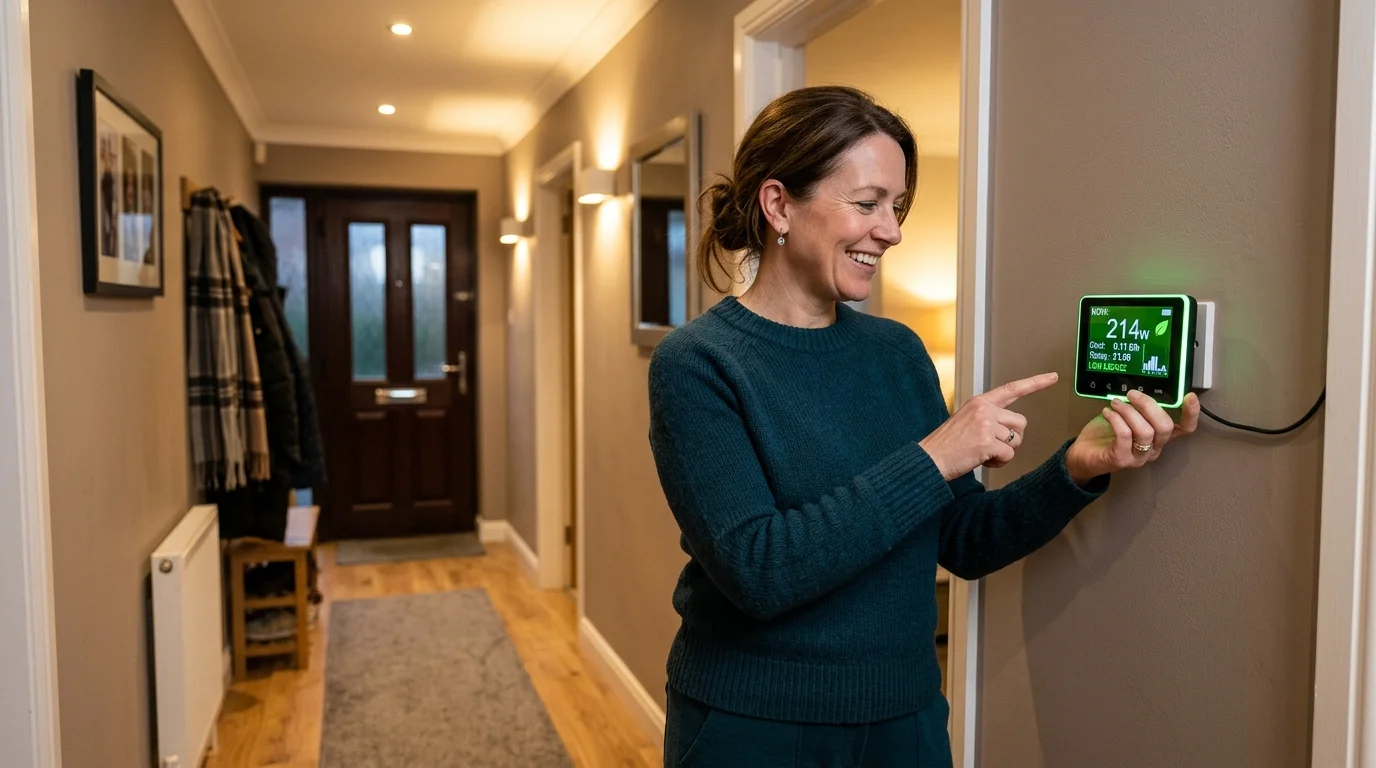
Switching to a cheaper tariff is the fastest way to reduce your energy bills — but reducing your consumption means you save money fast on a low income UK. Our complete guide has even more practical tips on any tariff, permanently.
Here are the most effective energy-saving actions for UK households in July 2026:
Heating and hot water (biggest savings):
- Turn your thermostat down by 1°C — this can save approximately £145 per year
- Install a smart thermostat to heat your home only when you need it
- Bleed your radiators regularly to ensure they heat efficiently
- Insulate your hot water tank if it is not already lagged
Kitchen and appliances:
- Only boil the amount of water you need in the kettle
- Use a microwave or air fryer instead of a conventional oven where possible
- Run your washing machine on a 30°C cycle rather than 40°C or 60°C
- Avoid leaving appliances on standby — this costs the average UK household approximately £147 per year
Lighting and electronics:
- Switch to LED bulbs throughout your home if you have not already done so
- Use natural light during daylight hours instead of artificial lighting
Way 6 — Set a Meter Reading on 30 June to Ensure Accurate Billing
This is a simple but easily overlooked action that could save you money on your transition to any new deal.
Submit a meter reading — take one on 30 June if you can — so usage up to the cheaper previous cap is billed correctly and your account switches accurately.
If you missed the 30 June reading, submit one as soon as possible. Energy suppliers use estimated readings if you do not provide actual readings, which can result in overbilling during the transition between price cap periods.
Way 7 — Compare Every Quarter — Not Just When Your Deal Ends
One of the most common and costly energy mistakes UK households make is only comparing deals when their current fixed tariff expires.
When a fixed deal ends, you typically move to your supplier’s standard variable rate — which is rarely the cheapest option. Comparing before your end date puts you in control and avoids the automatic rollover onto a more expensive tariff.
Make a diary note three months before your current deal ends. This gives you enough time to compare the market, select a new deal, and complete the switch before you roll onto the standard variable rate.
Free tool: Sign up for energy alerts on comparison sites such as MoneySuperMarket or Uswitch to receive notifications when new deals that could save you money become available.
Best Energy Tariffs Available UK — July 2026 Snapshot
| Tariff Type | Example | Annual Cost (Typical Use) |
|---|---|---|
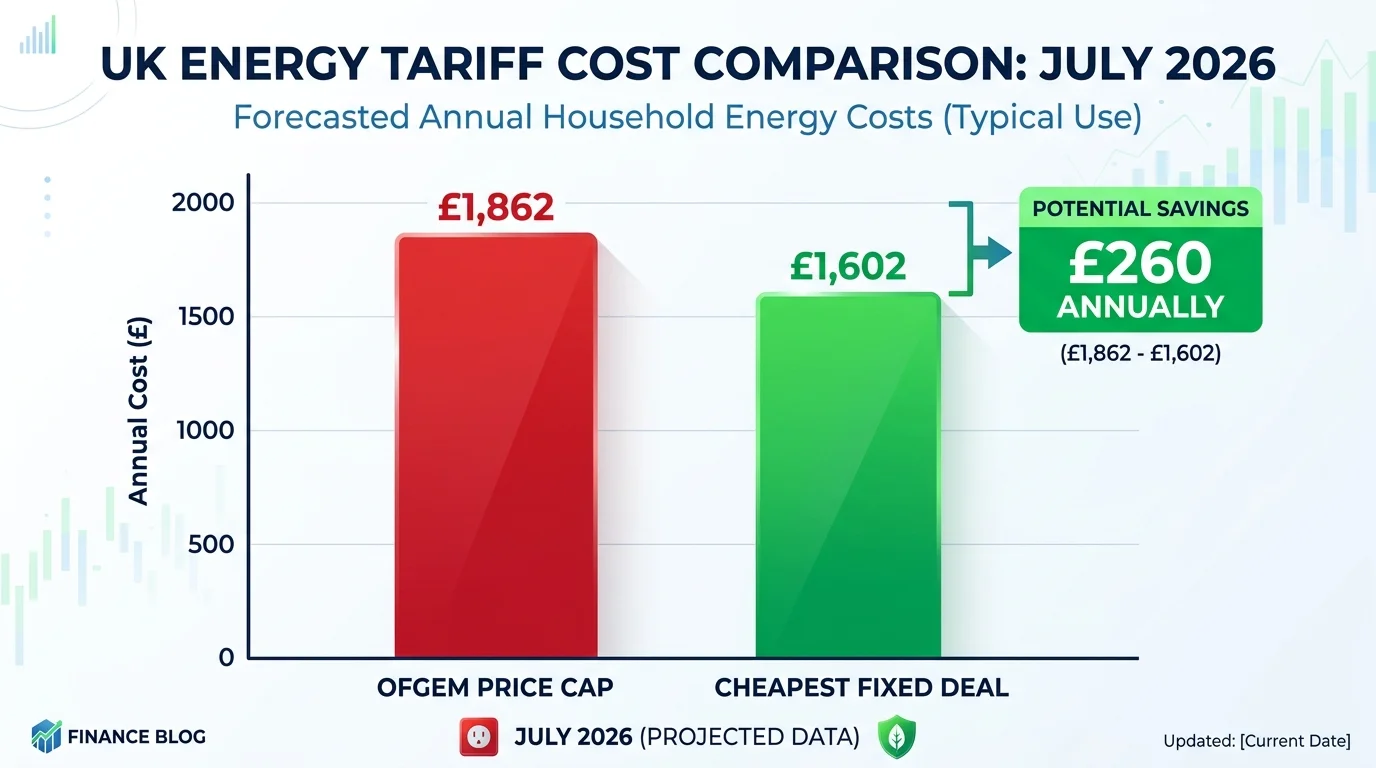
| Price Cap (SVT) | Standard Variable | £1,862 |
| Cheapest Fixed (12M) | E.ON Next Fixed | From £1,602 |
| Fixed (12M) | Octopus 12M Fixed | From £1,632 |
| Tracker | British Gas Cap Tracker | £50 below cap |
| Tracker | EDF Simply Tracker | £50 below cap |
| Variable (below cap) | Home Energy Fair Variable | ~10% below cap |
⚠️ Prices correct as of 1–2 July 2026. Actual costs depend on your usage, location, meter type, and payment method. Always get a personalised quote before switching.
Should You Fix Your Energy Deal or Stay on the Price Cap? — Honest Answer
This is the question every UK household is wrestling with in July 2026. Here is an honest, balanced assessment:
Reasons to Fix Now:
1. The cheapest fixed deals are well below the current price cap. With fixes available from around £1,381–£1,632 per year versus the cap of £1,862, locking in now saves money immediately.
2. October 2026 predictions suggest the cap will stay high. Current market forecasts suggest the October 2026 price cap will remain at a similar level to July, meaning variable tariffs are unlikely to become cheaper any time soon.
3. Price certainty helps you budget. Knowing exactly what you will pay for 12–24 months makes household budgeting significantly easier, especially with the cost of living remaining elevated across the UK.
Reasons to Stay Variable or Consider a Tracker:
1. Fixed deals have exit fees. Most fixed tariffs carry exit fees of £50–£200 per fuel if you want to leave early. If the price cap were to fall significantly, which most analysts do not expect before January 2027, you could be locked into a higher rate.
2. A tracker gives flexibility. Tracker tariffs that sit £50 below the cap have no lock-in risk if the cap falls, but also do not protect if the cap rises further.
How to Switch Energy Supplier in the UK — Step by Step
Switching is simpler than most people think. Here is the complete process:
Step 1: Gather your current energy bill. You need your annual usage in kWh and your current tariff rate.
Step 2: Go to an Ofgem-approved comparison site (Uswitch, MoneySuperMarket, Go Compare) and enter your postcode and usage figures.
Step 3: Compare deals on total annual cost unit rate plus standing charge, not just the headline unit rate.
Step 4: Select your preferred deal and complete the switch online. It takes approximately five minutes.
Step 5: Your new supplier handles everything. Your supply is never interrupted, only the billing changes. The switch completes in around five working days under the Energy Switch Guarantee.
Step 6: Submit a meter reading on the day of your switch for accurate final billing from your old supplier.
Frequently Asked Questions — Best Energy Deals UK July 2026
What is the energy price cap in July 2026?
The Ofgem energy price cap from 1 July to 30 September 2026 is £1,862 per year for a typical dual-fuel household paying by direct debit. This is a 13% increase from the April 2026 cap of £1,641.
What are the cheapest energy deals available in the UK in July 2026?
The best energy deals available as of 1 July 2026 include E.ON Next Fixed from approximately £1,602 per year and Octopus 12M Fixed from approximately £1,632 per year, both significantly below the current price cap.
Should I fix my energy deal in July 2026?
For most households on standard variable tariffs, switching to a fixed deal below the current price cap makes financial sense in July 2026. Current forecasts suggest the October 2026 cap will remain high, making the certainty of a fixed deal attractive. Always compare your specific situation using your actual usage figures.
How do I switch energy suppliers in the UK?
Use an Ofgem-approved comparison site, enter your postcode and usage, choose a deal, and the switch is completed in around five working days with no interruption to your supply.
Can I switch energy suppliers if I am in debt to my current supplier?
You can switch if you owe less than £500. If your debt is higher, you may need to clear it or make an arrangement with your supplier before switching.
Will the energy price cap go down in October 2026?
Current market forecasts suggest the October 2026 price cap will stay at a similar level to July. Most analysts do not expect a significant fall before January 2027 at the earliest.
Final Verdict — Best Energy Deals UK July 2026
The 13% price cap rise on 1 July 2026 has made finding the best energy deals more important than ever for UK households. With fixed tariffs available at up to £300 below the new cap level, switching now is one of the most impactful financial decisions you can make this summer.
The process of finding the best energy deals is free, takes minutes, and your supply is never interrupted. If you’re on your supplier’s standard variable rate and haven’t compared the market in the last 12 months, the data strongly suggests you’re paying more than you need to.
Use Ofgem-approved comparison sites to compare the best energy deals for your household, and lock in your savings before the autumn. Acting now could save you hundreds of pounds a year.