


Ever wondered why so many projects talk about housing for workers but never really explain it? If you’re managing a team or just curious, you’ve probably asked yourself: What is temporary accommodation on a construction site, and why does it matter so much? For workers who spend long hours on dusty sites far from home, not having a proper place to rest can feel exhausting and even unfair.
In this blog, we’ll explain it in simple terms.You’ll learn exactly what temporary accommodation means, what it looks like on-site, and why it’s more than just a roof over someone’s head. We’ll cover the benefits, key features, and how it helps both workers and projects succeed, so you’ll walk away with clear answers and practical insights.
Why Temporary Accommodation Is Important

A construction site isn’t just about machines, steel, and concrete it’s also about the people making the work happen. Long commutes, fatigue, and lack of proper rest can affect health, morale, and overall productivity. That’s why providing convenient living space on-site is more than a perk; it’s a necessity.
Temporary accommodation also supports worker safety. When crews can rest properly in clean, well-equipped spaces, they’re less likely to make mistakes or suffer accidents. It’s not just about comfort it’s about maintaining a healthy, efficient, and motivated workforce.
MORE ARTICLE: Temporary Accommodation on Construction Sites
Types of Temporary Accommodation
Temporary housing on construction sites comes in different forms depending on project size, budget, and location. Each has its own pros and cons, from cost efficiency to comfort level.
Some options are fully on-site, while others involve nearby lodging. Choosing the right setup means balancing convenience, worker satisfaction, and overall project costs.
1. RV Housing
RVs and travel trailers are one of the most flexible choices. They’re mobile, easy to deploy, and provide private sleeping areas, bathrooms, and kitchen facilities. For remote areas where hotel lodging isn’t available, RV setups keep crews self-sufficient.
2. Portable Cabins and Modular Units
Portable cabins or modular housing units are another popular choice. They’re durable, scalable, and can include features like HVAC, plumbing, communal dining, and hygiene facilities. Many are eco-friendly, designed with energy-efficient insulation, and can be customized for workforce needs.
3. Hotel or Off-Site Lodging
In urban centers, hotels or serviced apartments may be more practical. These provide comfort and amenities without requiring on-site setup, though they can increase travel time and budget. For short-term projects, off-site lodging may be the most efficient option.
Who Uses Temporary Housing on Construction Sites?
It’s not just construction workers who benefit from temporary housing. General contractors, subcontractors, utility workers, safety personnel, and site managers often need on-site accommodation.
Industries like oil, gas, energy projects, and infrastructure developments also rely on these solutions. From small crews to large workforce villages, temporary accommodation supports anyone who needs to live close to the project site.
Benefits of Using RVs for Temporary Construction Housing
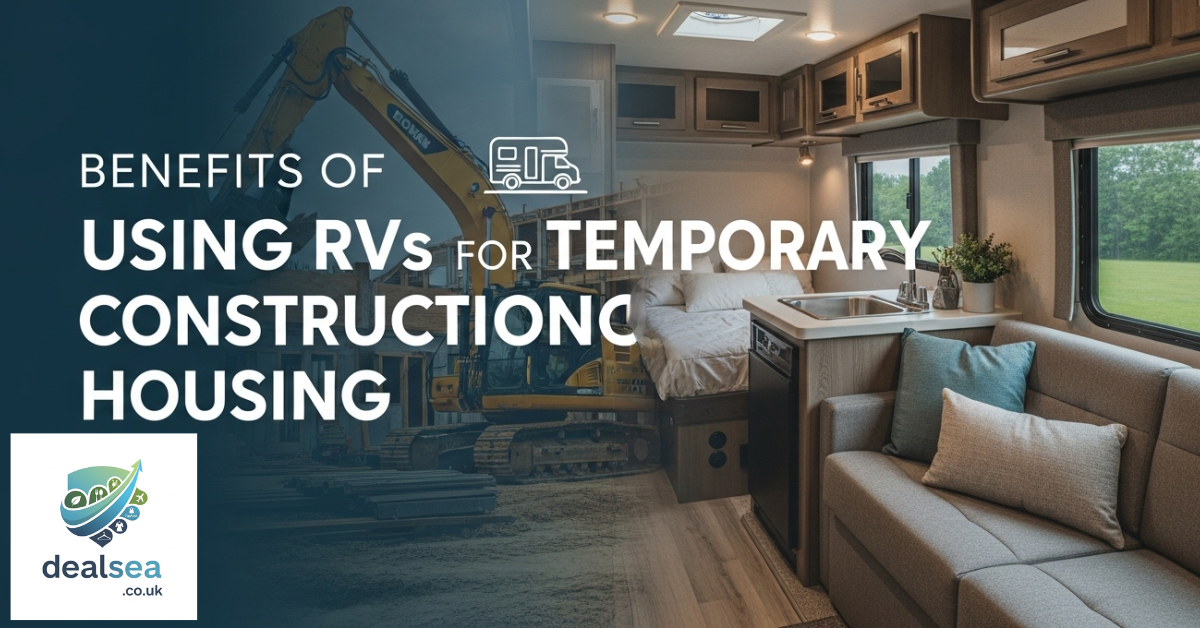
RVs provide a unique blend of flexibility, privacy, and cost-effectiveness. Let’s look at the specific advantages.
Comfort and Functionality
With beds, bathrooms, kitchens, and even climate control, RVs ensure workers can rest and recover properly. Having private or semi-private spaces boosts morale and reduces fatigue.
Reliable Quality Control
Unlike hotels that vary in quality, RV setups can be standardized. You know exactly what your crew will get: clean living spaces, consistent amenities, and safety features like smoke detectors and fire extinguishers.
Cost Efficiency
Flat-rate pricing makes budgeting easier, especially compared to fluctuating hotel bills. RVs can be reused across multiple projects, making them a cost-effective long-term solution.
Quick Deployment
RVs can be delivered, set up, and made operational within hours. For urgent projects or disaster recovery operations, this speed is a game-changer.
Important Factors to Consider in Construction Site RV Housing
When selecting RVs or other mobile housing units, look beyond just sleeping space. Consider climate control, plumbing, reliable electricity, communal dining, and safety measures.
Features like comfortable mattresses, private bathrooms, laundry facilities, and internet connectivity can make all the difference for worker wellbeing and daily productivity.
How to Arrange Temporary Accommodation for Your Crew

Providing housing might sound complicated, but breaking it into steps makes the process simple and manageable.
Step 1: Evaluate Your Site Needs
Start by analyzing the project location, crew size, shift schedules, and duration. Remote areas may need self-sufficient setups like modular units, while urban projects might work fine with off-site rentals.
Step 2: Contact a Trusted Provider
Work with a reliable company that specializes in construction site housing. They’ll guide you through compliance, zoning restrictions, and cost-saving options.
Step 3: Schedule Delivery and Setup
Once you’ve chosen your housing type, schedule deployment. Providers typically handle logistics such as transport, site preparation, and utility hookups.
Step 4: Support and Maintenance
Good providers also offer maintenance, housekeeping, and ongoing support. This ensures housing stays functional and safe throughout the project duration.
Conclusion
Exactly what is temporary accommodation on a construction site? In short, it’s a practical, flexible, and essential solution for keeping crews safe, productive, and satisfied. Whether you choose RVs, modular cabins, or off-site lodging, the right setup improves morale, reduces fatigue, and helps projects run smoothly.
Investing in proper housing isn’t just about compliance; it’s about people. When workers are well-rested, comfortable, and close to the job site, everyone wins: the crew, the managers, and the project itself.
What is meant by temporary accommodation?
Temporary accommodation is short-term housing provided for people until permanent living arrangements are available.
What are temporary construction facilities?
Temporary construction facilities are modular or portable structures set up on-site to support workers with housing, dining, or welfare needs.
What is the meaning of on-site accommodation?
On-site accommodation refers to housing units placed directly at or near a work or project site for staff or workers.
What is the difference between interim and temporary accommodation?
Interim accommodation usually bridges a gap until long-term housing is secured, while temporary accommodation is short-term and project- or situation-specific.