

Ever tried buying new earrings and suddenly felt confused by all the numbers 16 gauge, 20 gauge, 22 gauge? If you’ve ever wondered what gauge normal earrings are or worried whether you’re picking the wrong size for your ears, you’re not alone. It can feel overwhelming when you just want something that fits comfortably without causing pain or irritation.
That’s exactly what this post is here to clear up. We’ll break down what “gauge” actually means, explain the most common earring sizes, and share tips to help you choose the right fit for your ears. By the end, you’ll know exactly what to look for, so shopping for earrings feels simple and stress-free.
Understanding Gauge in Earrings
Gauge is a standard measurement used in body jewelry to describe the thickness of jewelry. Unlike most sizing systems, the higher the number, the thinner the jewelry. In simple terms, a 20-gauge post has less thickness than an 18-gauge post. This system may feel counterintuitive, but it’s widely used worldwide.
For normal earrings, the most common gauge sizes are 20G (0.8 mm) and 18G (1.0 mm). These are considered standard for pierced earlobes and are the most comfortable thickness for everyday wear.
MORE ARTICLE:What Gauge Are Normal Earrings
Why Gauge Size Matters
The gauge of an earring isn’t just about appearance; it directly affects the health of your piercing. If jewelry is too thin, the piercing hole may shrink over time, making it harder to wear thicker earrings later. On the other hand, earrings that are too thick can cause irritation, pain, or even tearing if your ear isn’t ready for that size.
When piercers create an initial ear piercing, they typically use 18G or 20G. These sizes allow for safe healing while leaving flexibility for wearing different jewelry styles later on.
Common Gauge Sizes for Earrings
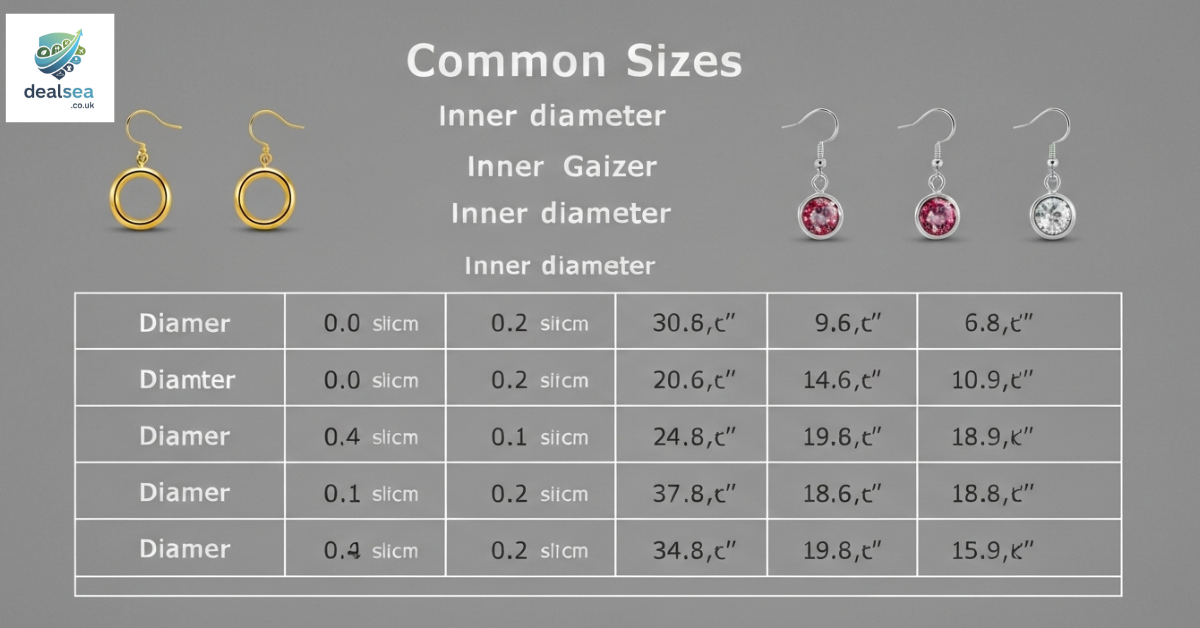
Here’s a closer look at the gauge sizes most often used for earrings:
- 22G (0.6 mm): Very thin posts, often used in children’s starter earrings or delicate nose studs.
- 20G (0.8 mm): Standard thickness for most commercial earrings and commonly used for first piercings.
- 18G (1.0 mm): Slightly thicker and more durable; often used by professional piercers.
- 16G (1.2 mm): Used more for cartilage piercings than for standard lobes, but some people transition to this size for stronger jewelry.
While you might occasionally see earrings made in 22G or 16G, most normal earrings fall in the 20G–18G range.
Millimeters and Inches Conversion
Because jewelry is manufactured globally, it’s useful to understand how gauges convert into millimeters or inches. This helps when buying from international stores or online.
| Gauge | Millimeters (mm) | Inches (approx) |
| 22G | 0.6 mm | 0.024 in |
| 20G | 0.8 mm | 0.032 in |
| 18G | 1.0 mm | 0.04 in |
| 16G | 1.2 mm | 0.047 in |
This chart shows how subtle the differences are. Even a small change of 0.2 mm can affect how an earring feels in your ear.
Stud Earrings and Gauge Size
Stud earrings are among the most popular styles, and their posts usually come in 20G or 18G. Many jewelry stores sell studs with 20G posts, as this size is comfortable for most people. Professional piercers, however, often prefer 18G because it provides a slightly sturdier post that reduces the risk of bending or irritation.
When shopping for studs, pay attention to both the gauge and the millimeter length of the post. Length determines how much space the jewelry leaves behind your ear, which can influence comfort.
Hoop Earrings and Gauge Size
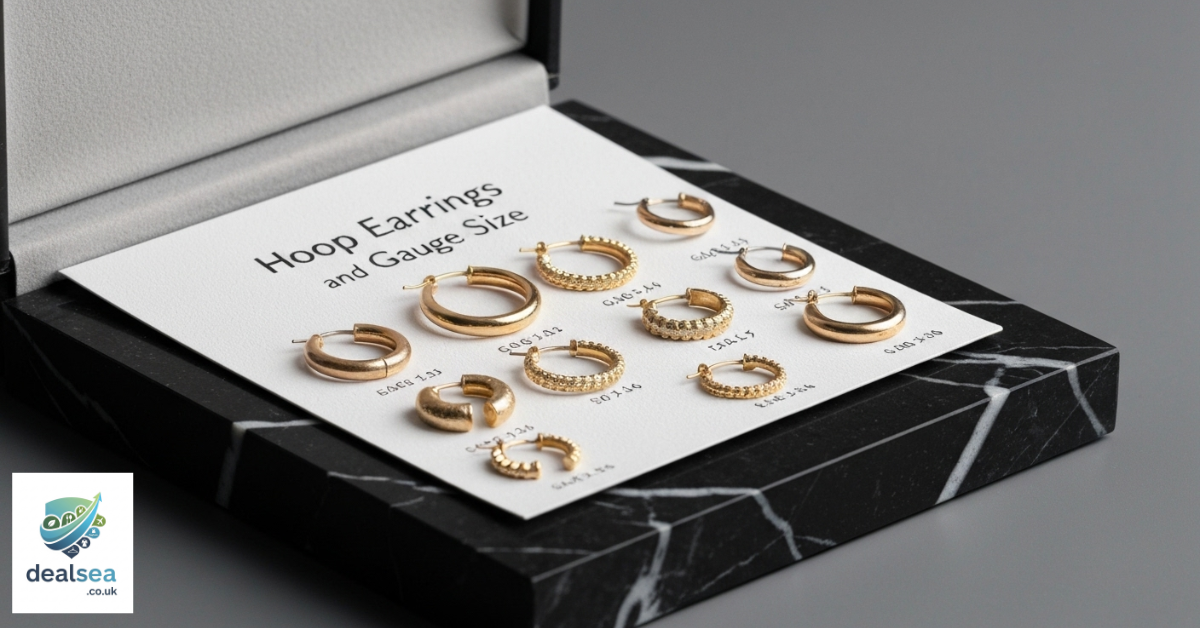
Hoop earrings add another layer of sizing to consider. In addition to thickness (gauge), hoops are measured by diameter, usually in millimeters. For example, a delicate everyday hoop might be 20G with a 10 mm diameter, while larger statement hoops might have diameters of 30–40 mm.
Just like with studs, most standard hoop earrings use 20G posts. Some premium brands design hoops in 18G for added strength, especially for heavier designs.
Cartilage Earrings and Gauge Differences
While lobes typically use 20G or 18G, cartilage piercings often require slightly thicker posts. Helix, tragus, and rook piercings are usually done in 16G or 18G. The thicker post provides stability, helping the piercing resist movement and heal properly.
If you’re considering cartilage jewelry but only have earlobe piercings, it’s important to note this difference. Standard earrings may not always fit cartilage piercings, so buying jewelry with the correct gauge is essential.
How to Measure Earring Gauge at Home
If you’re unsure what gauge your earrings are, you can measure them at home with simple tools:
- Digital Caliper: The most accurate method. It measures the post thickness in millimeters, which you can then compare to a gauge chart.
- Millimeter Ruler: Less precise but still helpful. Place the earring post against the ruler to estimate its thickness.
- Comparison Method: Hold your earring against known sizes (such as a 20G starter stud) to see if they match.
This is especially useful if you’ve inherited earrings, purchased them from an unknown brand, or want to confirm compatibility with your piercings.
Gauge Size and Sensitive Ears
For people with sensitive ears, both the gauge size and the material matter. Earrings that are too thin may move around too much, causing friction, while thicker posts may feel heavy. In most cases, 20G or 18G posts in hypoallergenic materials such as surgical steel, titanium, or 14K gold provide the best balance of comfort and safety.
Nickel-free options are highly recommended for sensitive skin. Even if the gauge size is correct, poor-quality metal can cause irritation or infection.
Children vs. Adult Earrings
Children’s earrings often use thinner posts, commonly 22G or 20G, to accommodate smaller lobes. These earrings are lightweight and comfortable for young wearers. Adults, however, typically wear 20G or 18G, with some choosing thicker posts for durability.
It’s also worth noting that earrings for children tend to have shorter post lengths, while adult earrings are longer to fit through thicker lobes comfortably.
Style, Comfort, and Gauge
Gauge isn’t just about health; it also impacts style. Thicker gauges allow for sturdier designs, larger gems, and more elaborate metalwork. Thinner gauges, by contrast, work best for delicate styles that prioritize a lightweight feel.
When building a personal collection, consider mixing different styles but sticking within your comfort zone. This ensures that whether you’re wearing simple studs to work or hoops for a night out, the earrings will always feel natural in your ears.
The Bottom Line
So, what gauge are normal earrings? The answer is simple: most standard earrings are 20G (0.8 mm) or 18G (1.0 mm). These sizes balance comfort, safety, and durability, making them ideal for everyday wear. While variations exist for children, cartilage piercings, or specialty jewelry, the 20G–18G range remains the universal standard.
By understanding earring gauge, you can shop more confidently, avoid irritation, and choose jewelry that enhances your style while keeping your ears healthy.
FAQS
Are earrings 18 or 20 gauge?
Most regular earrings are 20 gauge (0.8mm), but some piercers use 18 gauge (1.0mm) for added durability.
Is 18G or 20G bigger?
An 18-gauge post is thicker than a 20-gauge post, because gauge numbers work in reverse: the smaller the number, the thicker the wire.
How thick is a regular stud earring?
A standard stud earring is usually 20G (0.8mm), which is the most common size for freshly pierced ears.
Is 18G or 16G bigger?
A 16-gauge is thicker than an 18-gauge, since the gauge system decreases in size as the number goes down.