

Have you ever stood in the lumber aisle, staring at endless stacks of plywood, feeling unsure which one to pick? You might have heard about RTD plywood, but still wondered, What is RTD plywood, and why do builders and DIYers talk about it so much? It’s confusing when every option seems to promise durability, yet you don’t want to waste money on the wrong material.
That’s exactly what this blog will clear up for you. We’ll break down what RTD plywood really means, how it’s made, and why it’s different from other plywood types like CDX. By the end, you’ll know whether it’s the right choice for your project—whether that’s roofing, flooring, or just a weekend DIY build.
Understanding the Basics of RTD Plywood
So, what exactly does RTD stand for? RTD plywood is short for Reinforced Thermosetting Resin Bonded Plywood. The name may sound complicated, but it describes a high-performance version of regular plywood. Unlike cheaper options, RTD panels are designed to resist warping, swelling, and delamination caused by heat or moisture.
Each panel is made from thin layers of wood veneer, stacked in alternating directions to maximize strength. These layers are then fused with a thermosetting resin under heat and pressure. This process ensures that the adhesive penetrates deeply, creating a solid bond that can withstand harsh environmental conditions.
In simple terms, RTD plywood is engineered to stay strong and stable, even in situations where ordinary plywood might fail.
MORE ARTICLE:What Is RTD Plywood
How RTD Plywood Is Manufactured
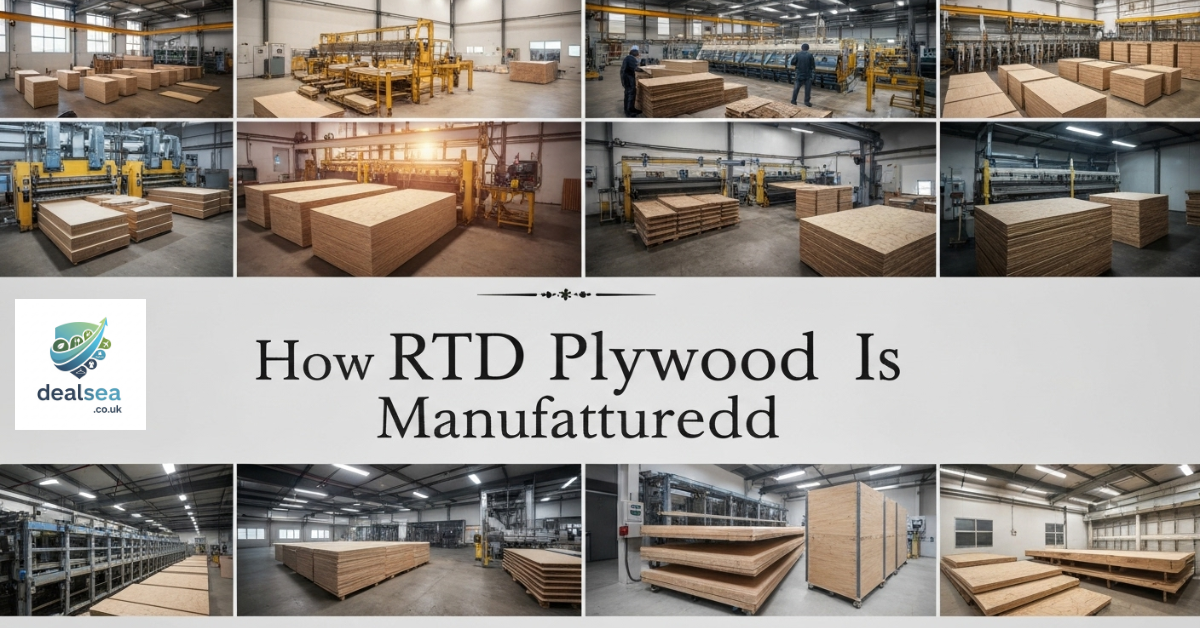
The real difference between RTD and standard plywood lies in the manufacturing process. It starts with carefully selected veneers. Each sheet is chosen for thickness, grain orientation, and overall quality. When layered, the veneers are positioned at right angles to one another, which gives the panel its structural stability.
Next comes the bonding stage. This is where the “RTD” technology comes into play. A thermosetting resin is applied between the veneer layers, and the stack is pressed under high heat. The resin doesn’t just act as glue—it chemically bonds the layers, creating a panel that is resistant to moisture and temperature changes.
After pressing, the panels undergo quality control checks. They are tested for moisture resistance, strength, and dimensional stability. Only panels that meet strict standards are released for construction use. This level of precision is what makes RTD plywood a trusted material for both residential and commercial projects.
RTD Plywood vs. CDX Plywood
One of the most common comparisons people make is between RTD and CDX plywood. CDX is widely used in rough construction, especially where appearance doesn’t matter much. It’s cost-effective but not particularly strong when exposed to water or humidity.
RTD plywood, on the other hand, is designed for performance. The resin bonding makes it far more durable, especially in outdoor or semi-exposed applications. While CDX may warp or delaminate over time, RTD stays intact, providing long-term reliability.
In short, CDX works fine for projects like temporary formwork or rough subflooring, but if you need something that lasts—especially where moisture is involved—RTD is the better choice.
Key Properties and Benefits of RTD Plywood
What makes RTD plywood stand out is not just the way it’s built, but also the benefits it offers in real-world applications. Here are some of its standout features:
- Moisture Resistance – The resin bonding process gives it excellent water resistance, preventing swelling and rot.
- Strength and Stability – Cross-laminated veneers ensure that the panel doesn’t warp easily.
- Resistance to Delamination – Unlike cheaper plywood, the layers stay bonded even in tough conditions.
- Versatility – Can be used in roofing, flooring, siding, cabinetry, and more.
- Long-Term Performance – With proper installation, it lasts for decades without major issues.
Builders appreciate RTD plywood because it minimizes project delays. Since the panels don’t fail easily, there’s less risk of having to replace warped or damaged sheets.
Applications of RTD Plywood in Construction
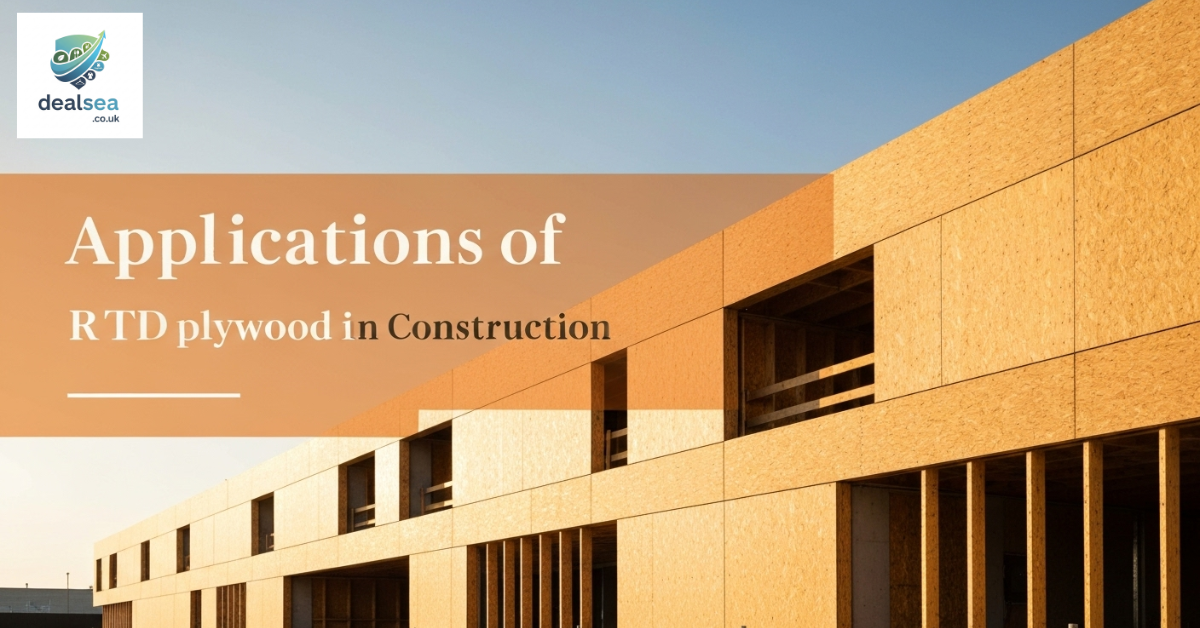
RTD plywood is one of those materials that works almost anywhere. Its durability and water resistance make it particularly useful in construction settings that demand reliability.
- Roof Sheathing: Its strength makes it an ideal choice for roof decks, where it can handle both weight and weather exposure.
- Subflooring: Provides a stable base for flooring materials, preventing squeaks and sagging over time.
- Exterior Walls and Siding: Withstands rain, humidity, and temperature swings without compromising structure.
- Cabinetry and Furniture: Its smooth surface and strength make it a great option for furniture and built-in cabinets.
- Bathrooms and Kitchens: Areas with high moisture benefit from RTD’s resistance to warping and swelling.
Because it can handle so many applications, contractors often keep RTD plywood in mind as an all-purpose solution for both indoor and outdoor projects.
Comparing RTD with Other Plywood Types
RTD isn’t the only engineered wood on the market. Depending on your project, you might also consider OSB (Oriented Strand Board), MDO (Medium Density Overlay), or HDO (High Density Overlay).
- OSB: Cheaper but not as strong when exposed to moisture.
- MDO: Offers a smooth surface for painting but is not as water-resistant.
- HDO: Extremely durable but more expensive.
Compared to these, RTD offers a balance of affordability, durability, and versatility. It’s often the best middle-ground option for projects where both cost and performance matter.
Cost and Availability of RTD Plywood
When it comes to price, RTD plywood usually costs a bit more than CDX or OSB, but less than HDO. For many builders, this small price difference is worth it because it saves money in the long run by reducing repairs and replacements.
Availability depends on your local lumber yard or supplier. In most regions, especially in North America, RTD panels are easy to find and come in a variety of thicknesses and grades.
Why Contractors and Homeowners Choose RTD Plywood
At the end of the day, people choose RTD plywood because it solves real problems. Contractors appreciate that it withstands unpredictable weather, while homeowners appreciate that it adds long-term value to their property. It’s the type of material that bridges the gap between performance and affordability.
Whether you’re building a new roof, reinforcing a bathroom floor, or crafting custom cabinets, RTD plywood offers the strength and reliability you can count on.
Conclusion
Now that you know what RTD plywood is, it’s clear that this material is more than just another type of engineered wood. With its advanced resin bonding, resistance to moisture, and long-term durability, it’s a smart investment for both small projects and large-scale construction.
If you’re planning your next build, consider how much time, money, and frustration you can save by choosing materials that last. RTD plywood isn’t just about stronger panels—it’s about stronger results.
FAQS
1. Is RTD better than CDX plywood?
Yes, RTD is generally superior to CDX because it offers stronger bonding, better moisture resistance, and longer-term durability. CDX is cheaper but more likely to warp or delaminate over time.
2. What is the difference between RTD and BCX plywood?
The main difference is in quality and durability. RTD plywood uses advanced resin bonding for strength and water resistance, while BCX is a standard grade with a smoother face veneer but less performance under moisture.
3. What is the meaning of RTD?
RTD stands for Reinforced Thermosetting Resin Bonded. It refers to the special bonding process used in plywood manufacturing that makes the panels strong, stable, and resistant to moisture.
4. Is RTD plywood good for flooring?
Yes, RTD plywood is an excellent choice for flooring. Its strength and moisture resistance make it ideal for subfloors, ensuring stability and preventing squeaks or warping over time.