

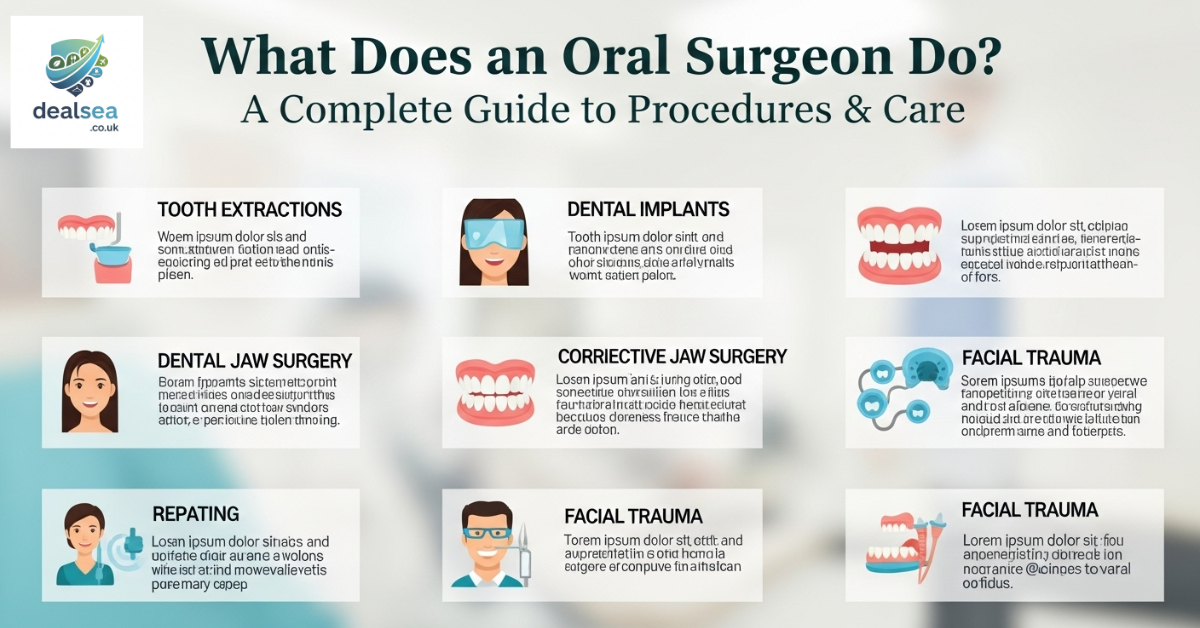
Ever wondered why that toothache or jaw pain seems to need more than just a regular dentist? Or maybe you’ve heard about oral surgeons but aren’t exactly sure what they do and why someone might need one. It can feel confusing and a little overwhelming when you’re facing dental problems that seem more serious than a check-up. You’re not alone—many people search for answers and end up wondering, “What does an oral surgeon do?”o
In this blog, we’ll break it all down in simple, easy-to-understand terms. You’ll learn the types of procedures oral surgeons perform, when you might need their help, and what to expect from a visit. By the end, you’ll have a clear picture of their role and feel confident about the next steps for your oral health.
What is oral surgery?
Oral surgery is a specialized branch of dentistry that focuses on diagnosing and treating conditions affecting the mouth, teeth, jaw, and facial structures. Unlike routine dental care, oral surgery often involves surgical procedures to remove, repair, or reconstruct oral and maxillofacial tissues.
Oral surgeons handle complex cases such as impacted wisdom teeth, dental implants, jaw misalignment, and facial trauma. They work closely with general dentists, ENT specialists, and other healthcare providers to ensure comprehensive care.
MORE ARTICLE:What Does an Oral Surgeon Do
What conditions are treated with oral surgery?
Oral surgeons treat a wide range of conditions, including:
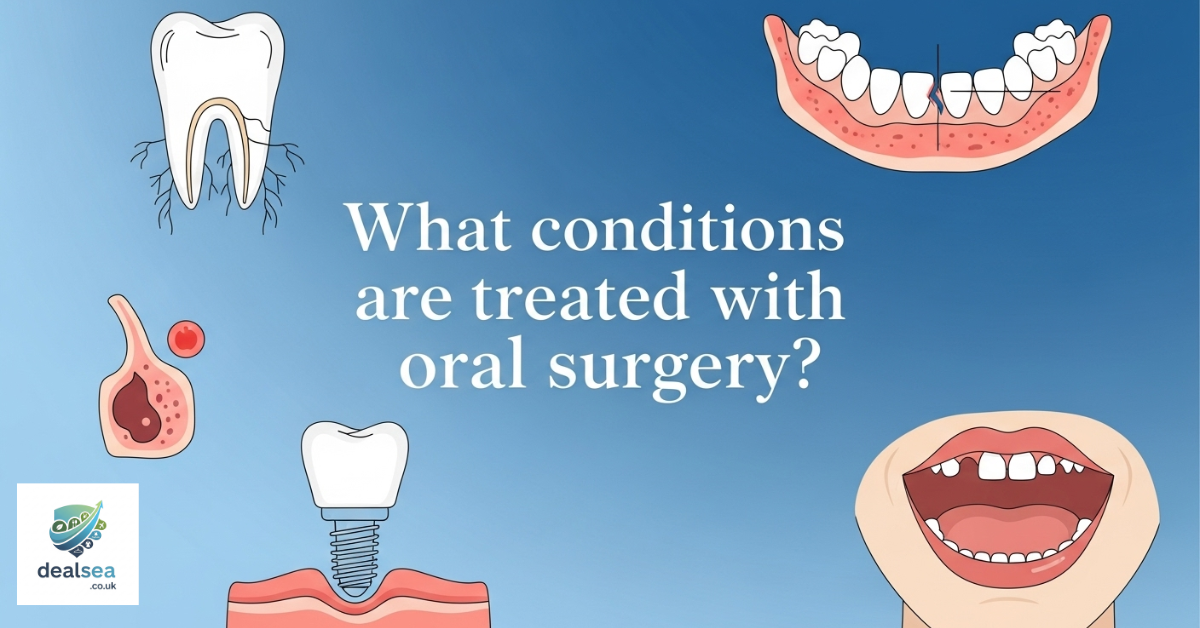
- Impacted or problematic wisdom teeth
- Tooth extractions for damaged or decayed teeth
- Placement of dental implants for missing teeth
- Jaw misalignment correction (orthognathic surgery)
- Repair of facial injuries from accidents
- Cleft lip and palate repair
- Treatment of oral cancer and other oral pathologies
They also manage soft tissue and bone grafts, helping patients restore both function and aesthetics.
Oral surgery vs maxillofacial surgery: Key differences explained
While the terms are often used interchangeably, there is a subtle difference. Oral surgery focuses on procedures within the mouth, including teeth, gums, and jawbone. Maxillofacial surgery extends to facial structures, including the jaw, cheeks, and orbital areas.
Maxillofacial surgeons often handle complex facial trauma, cosmetic surgeries, and congenital abnormalities, while oral surgeons may focus on dental-related surgical procedures. Both specialties require advanced surgical training and board certification.
Procedure Details
How should I prepare for oral surgery?
Proper preparation ensures a stress-free oral surgery experience. Your oral surgeon will provide pre-op instructions, which may include:
- Avoiding food and drinks for a specific period if general anesthesia is planned
- Discussing medications and adjusting prescriptions if necessary
- Arranging for a responsible adult to drive you home post-surgery
- Preparing soft foods like mashed potatoes, yogurt, and soup for recovery
Understanding your procedure, asking questions, and following your surgeon’s instructions help reduce risks and ensure faster recovery.
What happens during oral surgery?
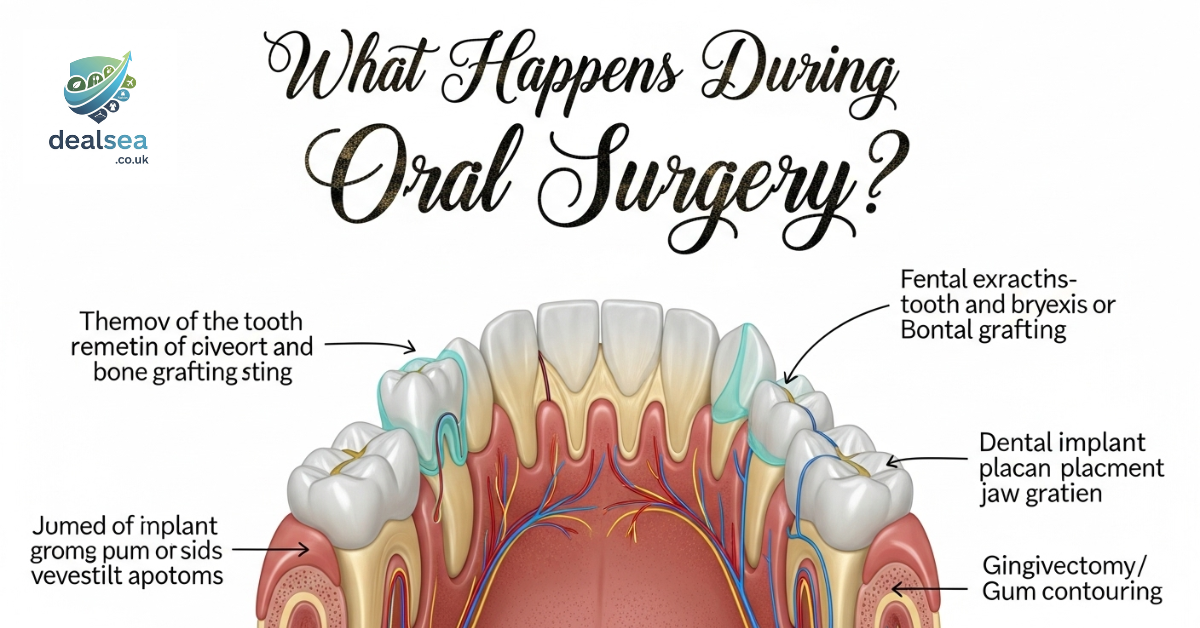
During the procedure, the oral surgeon uses specialized surgical instruments to perform precise interventions. Common steps may include:
- Administering local anesthesia, sedation, or general anesthesia
- Making an incision to access the surgical site
- Removing or repairing tissues, teeth, or bone
- Placing stitches to promote healing
- Providing post-op care instructions for home recovery
Some procedures, like dental implants or minor extractions, may be completed in an outpatient surgical center, while complex surgeries might require a hospital setting.
What happens after oral surgery?
Post-surgery care is crucial for healing. Patients are advised to:
- Follow post-op instructions carefully, including medications for pain relief and infection prevention
- Use cold therapy to reduce swelling in the first 24–48 hours, then heat therapy to ease discomfort
- Stick to soft foods and avoid strenuous activity
- Maintain oral hygiene carefully to prevent complications like dry socket or infection
Regular follow-up appointments allow the surgeon to monitor bone healing, soft tissue recovery, and overall oral function.
Risks / Benefits
What are the benefits of oral surgery?
Oral surgery offers both functional and aesthetic benefits:
- Restores chewing, speaking, and breathing functions
- Improves facial aesthetics and symmetry
- Removes diseased or damaged teeth, preventing further oral health issues
- Corrects jaw misalignment, improving bite and reducing jaw pain
- Allows placement of dental implants, restoring missing teeth
For patients with chronic oral conditions or facial trauma, oral surgery can significantly enhance quality of life.
What potential issues or complications can arise from oral surgery?
Much like other operations, oral surgery has possible complications.
- Swelling, bruising, and pain at the surgical site
- Bleeding or infection if proper care isn’t taken
- Dry socket after tooth extraction
- Sinus perforation in upper jaw procedures
- Delayed bone healing in complex surgeries
Following pre-op and post-op instructions, taking prescribed medications, and attending follow-up visits help minimize these risks.
Recovery and Outlook
What is the recovery time?
Recovery time varies depending on the procedure:
- Simple extractions: 1–2 weeks
- Dental implants: 3–6 months for full osseointegration
- Jaw surgery: 6–12 weeks of initial healing, with full recovery over several months
- Facial trauma repair: Varies, depending on the complexity of fractures and soft tissue repair
Recovering from oral surgery
Successful recovery involves proper care and patience. Key tips include:
- Eating soft foods like eggs, yogurt, soup, pasta, and pudding
- Taking prescribed pain medications and antibiotics
- Avoiding smoking or alcohol during healing
- Keeping your head elevated while resting to reduce swelling
- Contact your surgeon if you notice severe pain, fever, or pus
With proper care, most patients experience excellent outcomes in both oral function and appearance.
When To Call the Doctor
When should I call my healthcare provider?
You should contact your oral surgeon if you experience:
- Excessive bleeding or swelling that worsens after 48 hours
- Severe pain unrelieved by medication
- Signs of infection, such as fever or pus
- Numbness or tingling lasting longer than expected
- Issues with stitches, implants, or bone healing
Prompt communication helps prevent complications and ensures timely care.
A note from Cleveland Clinic
According to the Cleveland Clinic, oral surgeons are trained to handle both routine and complex surgical cases, ensuring safety, comfort, and optimal outcomes. They emphasize patient education, careful monitoring, and minimally invasive techniques whenever possible.
Care at Cleveland Clinic
The Cleveland Clinic provides comprehensive oral surgery services, including:
- Wisdom teeth removal
- Dental implants
- Jaw reconstruction
- Facial trauma repair
- Cleft lip and palate surgery
Patients benefit from a multidisciplinary team, advanced surgical tools, and personalized post-op care plans.
References
- American Association of Oral and Maxillofacial Surgeons (AAOMS)
- Cleveland Clinic: Oral Surgery Guide
- Canadian Association of Oral and Maxillofacial Surgeons
- Journal of Oral and Maxillofacial Surgery
In summary, understanding what an oral surgeon does helps you make informed decisions about your oral health. Oral surgeons not only treat teeth and gums but also manage complex jaw and facial issues, ensuring proper function, aesthetics, and long-term health.
Whether you need a routine extraction, dental implant, jaw surgery, or facial trauma repair, consulting a qualified oral surgeon ensures safe, effective, and professional care.
FAQS
What is the difference between a dentist and an oral surgeon?
A dentist handles general oral care, while an oral surgeon is a specialist trained for complex surgeries involving teeth, jaw, and facial structures.
Why have I been referred to an oral surgeon?
You’re usually referred when your case requires advanced surgical expertise, like wisdom tooth removal, implants, or jaw correction.
What exactly does an oral surgeon do?
An oral surgeon diagnoses and treats conditions of the mouth, teeth, and jaw through surgical procedures to restore function and health.
What is the most common oral surgery?
Wisdom tooth extraction is the most common oral surgery, often performed to prevent pain, infection, or crowding.
2 thoughts on “What Does an Oral Surgeon Do? A Complete Guide to Procedures & Care”